




The Best Family Van Without the Big Price Tag
When you’re shopping for a family vehicle, affordability isn’t just about the sticker price. It’s about finding something that makes everyday life easier, whether that’s loading groceries, buckling kids into car seats, navigating crowded parking lots, or packing for a weekend getaway.
Today’s family vehicles offer more technology, safety features, and flexible seating than ever before.
If you’re searching for the best affordable family van, one model stands out: the Chrysler Pacifica. It delivers the practicality families need, the safety technology parents want, and the versatility that makes daily life run smoother, all without requiring a luxury-sized budget.
Visit Preston Chrysler Dodge Jeep Ram of Dover to explore our affordable minivans and family SUVs today!

1. Chrysler Pacifica: Best Overall Affordable Family Vehicle
The Chrysler Pacifica earns the top spot because it was designed around real family life.
From school drop-offs and grocery runs to road trips and sports practices, the Chrysler Pacifica handles the everyday challenges families face better than almost anything else in its class. Its combination of flexible seating, advanced safety technology, and family-focused convenience features makes it one of the smartest values on the market.
What truly sets the Chrysler Pacifica apart is how much functionality it packs into a single vehicle. Available features like FamCAM, Amazon Fire TV, and a 19-speaker Harman Kardon® Premium Audio System help transform long drives from stressful to enjoyable.
Standout Features
- Available 360° Surround View Camera
- Available ParkSense® Front and Rear Park Assist
- Blind Spot Monitoring and Rear Cross Path Detection
- Adaptive Cruise Control with Stop and Go
- Pedestrian Automatic Emergency Braking
- LaneSense® Lane Departure Warning with Lane Keep Assist
- Stow ‘n Go® seating system
- Available FamCAM interior camera
- Seating for up to eight passengers
Best For
Families who want the most features, flexibility, and convenience for their money.
Bottom Line
If you’re looking for one vehicle that can comfortably handle family road trips, daily commuting, carpools, and bulky cargo, the Chrysler Pacifica is hard to beat.

2. Jeep Grand Cherokee L: Best Three-Row SUV Alternative
Not every family wants a minivan, and that’s where the Jeep Grand Cherokee L comes in.
This three-row SUV combines family-friendly passenger space with the rugged styling and elevated driving position many buyers prefer. With seating for up to 7 passengers and up to 84.6 cu.ft. of cargo space, it offers impressive versatility for an SUV.
The Jeep Grand Cherokee L also delivers modern technology and advanced safety features. The available Uconnect® 5 system, large touchscreen display, Adaptive Cruise Control, Active Lane Management, and available Night Vision technology help make family travel safer and more convenient.
Of course, there are trade-offs. Compared to a true minivan, getting into the third row isn’t quite as easy, and cargo flexibility is more limited when all seats are occupied.
Standout Features
- Seating for up to seven passengers
- Extended wheelbase for improved interior space
- Available 360° Surround View Camera
- Available Night Vision technology
- Uconnect® 5 infotainment system
- Strong blend of comfort, technology, and capability
Best For
Families who need occasional third-row seating but strongly prefer an SUV over a minivan.
Bottom Line
The Jeep Grand Cherokee L offers a great balance between family practicality and SUV appeal, making it a strong option for buyers who prioritize style and versatility.
3. Jeep Grand Wagoneer: Best for Premium Family Space
For large families seeking maximum space and upscale comfort, the Jeep Grand Wagoneer delivers a premium experience. With seating for up to eight passengers, a spacious cabin, and luxurious materials throughout, it’s designed for families who spend a lot of time on the road and want every trip to feel first class. Advanced digital displays, premium connectivity features, and more than 170 available safety and security features help create a driving experience that’s both sophisticated and family-friendly.
Standout Features
- Spacious three-row seating
- Premium interior materials and finishes
- Advanced technology and connectivity
- Exceptional road-trip comfort
- Available luxury amenities throughout the cabin
Best For
Large families who want full-size SUV space and premium comfort.
Bottom Line
The Jeep Grand Wagoneer delivers incredible space and luxury, but buyers focused strictly on value will likely find the Chrysler Pacifica offers more practicality for significantly less money.
What Does “Affordable” Really Mean?
Affordability is about much more than the lowest monthly payment. The true cost of ownership includes fuel expenses, insurance rates, maintenance costs, depreciation, and long-term reliability. A vehicle that costs less upfront can quickly become more expensive if it lacks the convenience, safety features, or flexibility your family needs. That’s why features like sliding doors, easy third-row access, advanced driver-assistance systems, and flexible cargo space matter so much. They affect your family’s experience every single day. The best affordable family vehicle is the one that delivers the most value—not simply the lowest price.

Final Verdict: Where Most Families Should Start
While each vehicle on this list offers something different, the Chrysler Pacifica remains the strongest overall choice for most families.
Its combination of advanced safety technology, available FamCAM, flexible Stow ‘n Go® seating, available ParkSense® features, and everyday usability helps solve the challenges families face every day. Whether you’re managing school drop-offs, weekend road trips, or large cargo loads, the Chrysler Pacifica delivers exceptional value where it matters most.
If you’re beginning your search for an affordable family vehicle, the Chrysler Pacifica is the benchmark against which every other option should be measured. Head to Preston CDJR of Dover to shop our most affordable family vans today!
FAQs About Affordable Family Vans
What is the best affordable family van?
The Chrysler Pacifica is one of the best affordable family vans thanks to its flexible seating, advanced safety features, spacious interior, and family-focused technology, all at a competitive price point.
Is a minivan better than a three-row SUV for families?
For many families, yes. Minivans typically offer easier third-row access, sliding doors, more cargo flexibility, and greater passenger comfort than most three-row SUVs.
What makes the Chrysler Pacifica a good family vehicle?
The Chrysler Pacifica offers available Stow ‘n Go® seating, FamCAM, seating for up to eight passengers, and a variety of driver-assistance features that help make daily errands, carpools, and road trips more convenient.
What should I look for in an affordable family vehicle?
Beyond the purchase price, families should consider safety technology, passenger space, cargo capacity, fuel efficiency, maintenance costs, and overall versatility to ensure they get the best long-term value.

Compact Without Compromise
Finding the right SUV doesn’t have to mean sacrificing features, capability, or comfort. For many drivers, the goal is simple: find the best budget compact SUV that delivers everyday practicality, modern technology, and long-term value without stretching the budget.
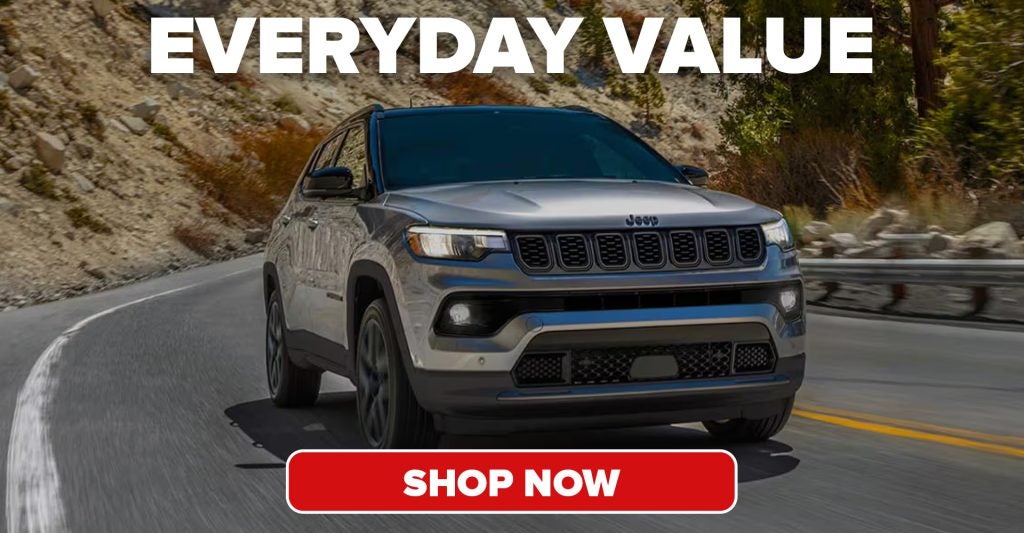
Today’s compact SUV segment is more competitive than ever, but one vehicle continues to stand out from the crowd. The Jeep Compass offers the perfect balance of affordability, capability, and convenience, making it a top choice for drivers searching for the best budget compact SUV for commuting, family adventures, and everything in between.
If you’ve been asking, “What is the best compact crossover SUV?”, the answer may be closer than you think. Head to Preston Chrysler Dodge Jeep Ram of Dover to explore your options today!

Why the Jeep Compass Is the Best Budget Compact SUV
The Jeep Compass has earned its reputation as one of the most versatile and capable compact SUVs on the market today. Unlike many competitors that focus solely on fuel economy or styling, the Jeep Compass delivers a complete package that appeals to a wide range of drivers. Whether navigating city streets, tackling winter weather, or heading off the beaten path for a weekend getaway, the Jeep Compass is designed to handle it all with confidence. What truly makes the Jeep Compass the best budget compact SUV is its ability to offer premium features and Jeep capability at an affordable price point. Drivers don’t have to move up to a larger or more expensive SUV to enjoy advanced technology, available four-wheel-drive systems, and a comfortable interior.
Performance That Goes Beyond Expectations
Every Jeep Compass is powered by a responsive 2.0L Turbocharged I4 engine that produces 200 horsepower and 221 lb.-ft. of torque. This combination provides strong acceleration while maintaining the efficiency that compact SUV shoppers expect. For drivers who encounter snow, rain, gravel roads, or rugged terrain, the available Jeep Active Drive Low 4×4 system on Jeep Compass Trailhawk models adds another level of confidence. Unlike many crossovers that simply offer all-wheel drive, the Jeep Compass delivers genuine Jeep capability, handling challenging conditions with ease.
Available features include:
- Jeep Active Drive Low 4×4 System
- Trail Rated® Trailhawk capability
- Selec-Terrain® Traction Management System
- Hill Descent Control
- Up to 2,000 lbs. of towing capability
These features help separate the Jeep Compass from many other affordable small compact SUVs on the market today.

Modern Technology Comes Standard
Drivers searching for the best compact crossover SUV often place technology near the top of their wish list. The Jeep Compass delivers with an impressive suite of connected features designed to make every drive more enjoyable. Inside the cabin, drivers will find the Uconnect® 5 infotainment system paired with a responsive 10.1-in. touchscreen. Wireless Apple CarPlay® compatibility and Android Auto™ integration make it easy to stay connected while on the road.
Available technology features include:
- Wireless Apple CarPlay® and Android Auto™
- Wireless smartphone charging
- Voice recognition capability
- Alpine® Premium Audio System
- Adaptive Cruise Control with Stop and Go
- Active Lane Management
- Rear Cross Path Detection
- ParkSense® Rear Park Assist
These advanced features help make the Jeep Compass feel like a premium SUV while maintaining its position as one of the best budget compact SUV options available.
Comfort and Versatility for Everyday Driving
A great SUV should be ready for everything from weekday commutes to weekend road trips. The Jeep Compass delivers the flexibility drivers need with seating for up to five passengers and practical cargo space for groceries, luggage, sports equipment, and more. Available heated front seats and a heated steering wheel add extra comfort during colder months, while thoughtful interior storage solutions help keep daily essentials organized. For many shoppers, the Jeep Compass strikes the perfect balance between compact maneuverability and interior practicality. That’s one reason it continues to rank among the most desirable affordable small compact SUVs available today.
Jeep Cherokee: A Great Alternative for Drivers Who Need More Space
While the Jeep Compass is a top choice for shoppers seeking the best budget compact SUV, some drivers may benefit from a larger vehicle. The Jeep Cherokee offers additional passenger room and cargo capacity, making it a strong option for growing families or frequent travelers with extra gear.
Highlights of the Jeep Cherokee include:
- More passenger and cargo space
- Family-friendly interior design
- Available advanced safety technology
- Comfortable ride quality
- Flexible storage solutions
For drivers who need more room than a traditional compact SUV offers, the Jeep Cherokee delivers excellent versatility while maintaining the capability expected from a Jeep.

How to Choose the Best Budget Compact SUV
Price is important, but true value extends beyond the sticker price. When comparing compact SUVs, it’s important to consider factors such as:
- Fuel efficiency
- Safety features
- Technology offerings
- Reliability
- Resale value
- Ownership costs
- Available warranty coverage
The best vehicle is often the one that delivers the most features and capability for the money. That’s exactly why so many shoppers consider the Jeep Compass the best budget compact SUV on the market today.
Discover the Best Budget Compact SUV at Preston CDJR of Dover
Drivers searching for the best budget compact SUV don’t have to look far. Whether you’re comparing the best compact crossover SUV options or exploring affordable small compact SUVs for your next vehicle, the Jeep Compass and Jeep Cherokee deserve a place at the top of your list.
Visit Preston CDJR of Dover today to explore our current inventory, compare available trim levels, and take a test drive. The right compact SUV for your lifestyle may be waiting on the lot right now.
FAQs About Budget Compact SUVs
What Is the Best Compact Crossover SUV for Families?
Many drivers searching online ask the same question: What is the best compact crossover SUV for everyday family life? The answer often comes down to value. Families need a vehicle that offers safety, comfort, technology, and versatility without exceeding their budget. The Jeep Compass checks all of those boxes. Its advanced safety technologies, spacious interior, and available four-wheel-drive capability make it a smart choice for busy families seeking dependable year-round transportation.
Which is the best SUV on a low budget?
The best low-budget SUV is the one with the lowest total cost of ownership for your needs, not just the lowest MSRP. Focus on realistic transaction price, safety, fuel economy, and standard driver-assist technologies.
What is the best affordable subcompact SUV?
The best affordable subcompact SUV is usually the model with a low starting price, solid standard safety tech, and enough rear-seat and cargo space for your routine. Buyers should also compare fuel economy and insurance costs, because small size alone does not guarantee low ownership costs.
What is the best value for money for a small SUV?
Value for money usually means balancing price, safety, fuel economy, resale, and standard equipment. A slightly higher trim can be smarter if it reduces option spending and improves everyday comfort or traction.

Celebrating America’s Legacy on Four Wheels
Few things capture the American spirit quite like hitting the open road. The freedom to explore new destinations, visit loved ones, and create unforgettable memories has always been woven into the American story. And for generations, American-made vehicles have helped make those journeys possible.
As America celebrates its 250th anniversary, communities across the country are coming together to honor the people, places, and innovations that have shaped our nation. From hometown parades and family road trips to major celebrations across the nation, this milestone is a reminder of the pioneering spirit that continues to define America.
At Preston Preston Chrysler Dodge Jeep Ram of Dover, we’re proud to represent an iconic automotive brand built on American ingenuity, craftsmanship, and innovation. Whether you’re looking for a hardworking truck, a capable SUV, a family-friendly vehicle, or a luxury driving experience, you’ll find American-made excellence throughout the Chrysler, Dodge, Jeep, and Ram lineup.
Built on American Innovation
Combining refined luxury with modern technology, Chrysler, Dodge, Jeep, and Ram deliver premium comfort and sophisticated design for drivers seeking an elevated experience. With America marking 250 years of history, many families are planning getaways to national landmarks, historic destinations, and community celebrations. Whether you’re heading to a nearby festival, exploring scenic backroads, or embarking on a cross-country adventure, the right vehicle can make all the difference. From powerful SUVs to luxurious family haulers, Preston Chrysler Dodge Jeep Ram of Dover is proud to offer a wide selection of vehicles designed to help you make the most of every mile.

Proud to Serve Our Communities
At Preston Chrysler Dodge Jeep Ram of Dover, we’re honored to serve drivers throughout our communities while representing a brand that has helped shape the American automotive industry. As we celebrate this historic anniversary, we invite you to visit our dealership, explore our lineup of American-made vehicles, and discover the perfect companion for your next adventure.
Here’s to 250 years of innovation, exploration, and the freedom of the open road, and to the journeys still ahead.
Most Affordable Vehicles for College Students

Budget-Friendly Picks for Campus Life
When it comes time to shop for affordable cars for college students, choosing the right dealership matters just as much as choosing the right vehicle. We make the process easier by offering a wide selection of reliable cars for college students, competitive financing options, and a team that understands the needs of first-time buyers and families alike.
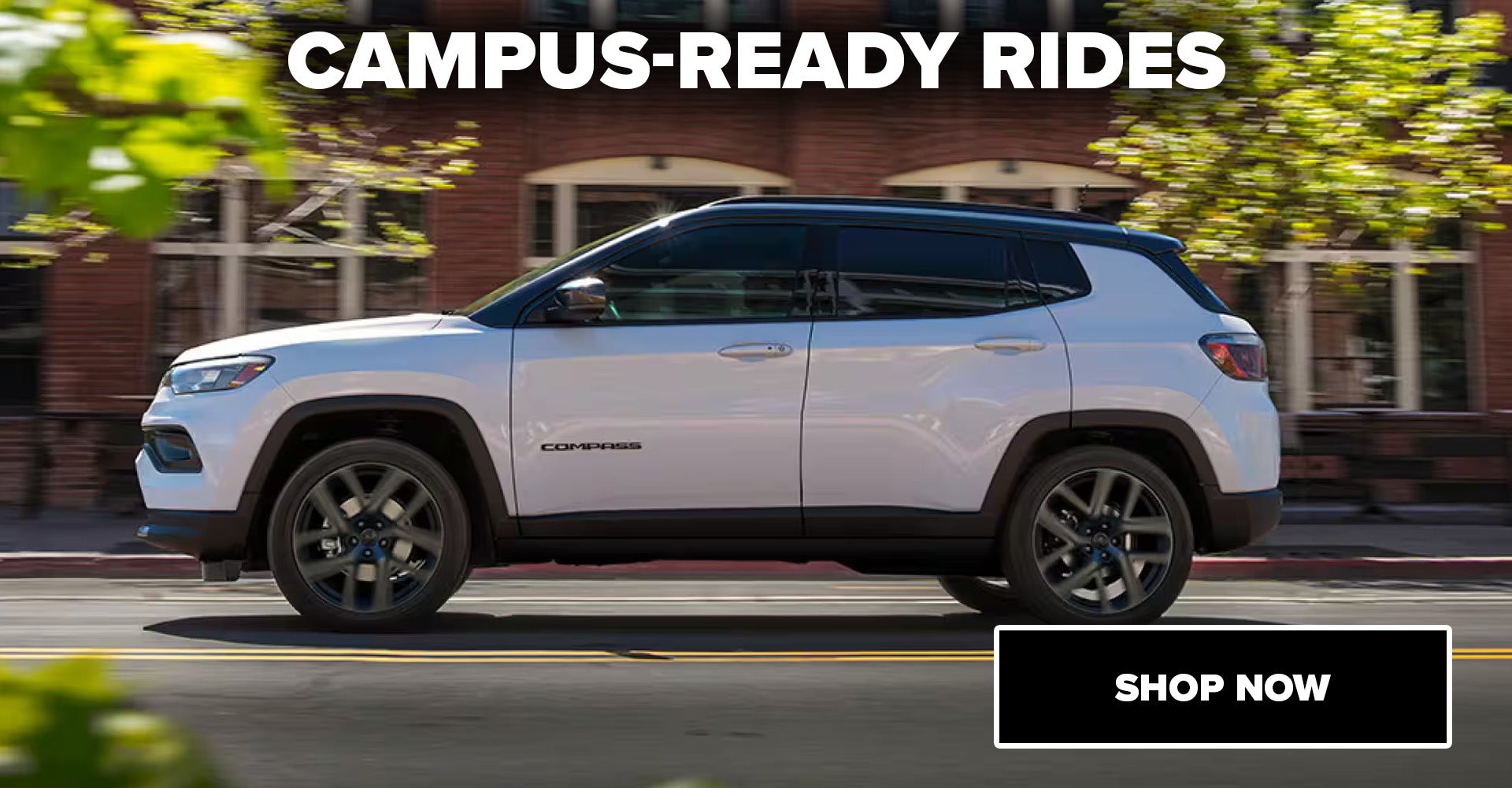
Whether you’re searching for the best used cars for college students or a newer SUV like the Jeep Compass, Preston Chrysler Dodge Jeep Ram of Dover helps drivers compare practical options that fit both their lifestyle and budget. From fuel-efficient daily commuters to versatile SUVs built for campus life and weekend travel, we have vehicles designed to keep students confident on the road.
Drivers can also take advantage of flexible financing, experienced service support, and a convenient shopping experience that helps remove the stress from buying a vehicle. For students preparing for classes, internships, road trips, and everything in between, Preston CDJR of Dover is a trusted place to start the search for a dependable vehicle that can handle every stage of college life!

What “Affordable” Really Means for a College Car
When shopping for affordable cars for college students, the lowest price doesn’t always deliver the best value. True affordability comes down to total ownership costs, including payments, fuel, insurance, maintenance, and long-term reliability.
That’s why many families searching for the best used cars for college students prioritize dependable vehicles with strong resale value, modern safety features, and lower maintenance risks. A reliable college vehicle should fit comfortably within a student’s budget while handling daily commutes, campus parking, and weekend travel with ease.
At Preston CDJR of Dover, students and families can explore a wide selection of reliable cars for college students, including inspected used and certified pre-owned Chrysler, Dodge, Jeep, and Ram models. With flexible financing, knowledgeable staff, and trusted post-sale service, our dealership makes it easier to shop confidently and find a vehicle built for both college life and long-term value.
Quick Selection Criteria (Use These to Compare Every Option)
Use reliability history, safety ratings, and repair frequency as your first filter, because unexpected downtime costs more than a missing luxury feature. Modern driver-assist technologies also matter for new drivers and long commuters, since they reduce fatigue and can help prevent low-speed campus collisions.
Fuel economy should match your actual commute, not your aspirational road-trip plans. Students dealing with winter driving should weigh traction, visibility, and tire costs more heavily than raw MPG, because a car that feels stable in snow is often the safer and cheaper choice over four academic years.
Cargo space and seating deserve more attention than many students give them. Move-in day, grocery runs, airport pickups, and weekend trips expose the difference between a car that merely fits your budget and one that actually fits student life.
Do You Even Need a Car in College?
Many students are better off without a car, especially at dense campuses with reliable transit and expensive parking. If your classes, housing, gym, and grocery options sit within a walkable radius, car ownership can become a monthly bill that solves a problem you do not have.
A vehicle makes more sense when school requires off-campus jobs, internships, clinical rotations, or frequent trips home. In those cases, convenience becomes economic value because dependable transportation protects work hours, attendance, and scheduling flexibility.
If you expect to drive only occasionally, prioritize low insurance and low maintenance over extra power or premium features. A lightly used campus car should be cheap to insure, easy to service, and tolerant of short trips, because occasional use punishes batteries and brakes more than many buyers expect.
Campus Reality Check
Parking waitlists, permit tiers, and ticketing policies can reshape your budget faster than fuel prices. A campus with limited resident parking effectively raises your monthly ownership cost, which is why the best college car is often the one you can park without daily friction.
Top Pick: 2026 Jeep Compass (Best All-Around College SUV)
The Jeep Compass is the best balanced choice here because it combines manageable dimensions with genuine SUV utility. For students who need one vehicle to handle commuting, campus parking, road trips, and changing weather, the Jeep Compass covers more use cases than a typical compact sedan. Its value comes from versatility rather than rock-bottom operating costs. Insurance may run higher than for a very small car, but the payoff is stronger practicality, better ride height, and a modern feature set that can make daily driving less stressful over several school years.
Performance and Capability That Fits Student Life
Every Jeep Compass uses a 2.0L Turbocharged I4 with 200 horsepower and 221 lb.-ft. of torque, which gives it enough strength for freeway merges, hills, and loaded weekend trips. That output matters because underpowered budget vehicles often feel cheapest when they are most inconvenient, especially with passengers or cargo onboard. The Jeep Compass can also tow up to 2,000 lbs., which is useful for small trailers, bikes, or extra gear. The available Jeep Compass Trailhawk® trim adds Jeep Active Drive Low 4×4 with a 20:1 crawl ratio, making the Jeep Compass Trail Rated® and unusually capable for a student-focused compact SUV.

Trailhawk® Advantage for Snow, Mud, and Rough Roads
The Jeep Compass Trailhawk® trim is not essential for every student, but it is highly relevant in snow states and rural areas. Selec-Terrain® Traction Management System and Hill Descent Control improve control in mud, snow, and sand, enabling the Jeep Compass to serve both as a campus commuter and a year-round travel vehicle. That dual-purpose character is what sets the Jeep Compass apart from many rivals. A student in a mountain town or northern climate often needs confidence more than speed, and this trim delivers capability that translates directly into fewer weather-related compromises.
Cabin Tech and Comfort for Long Days
The standard Uconnect® 5 system includes a best-in-class 10.1-in. touchscreen with Apple CarPlay® and Android Auto™, which keeps navigation and communication simple. For students balancing class, work, and social schedules, intuitive infotainment reduces distraction and makes the car easier to live with every day. Available heated front seats and a heated steering wheel matter on cold mornings, especially when the first drive is to an early class or internship. Other available upgrades include an Alpine® Premium Audio System with 9 speakers, voice recognition, customizable user profiles, and a wireless smartphone charging pad.
Confidence on Every Journey (Safety and Driver Assist)
The Jeep Compass includes standard Forward Collision Warning with Active Braking and Blind Spot Monitoring, which are meaningful features in crowded campus traffic. These systems matter because college driving often includes distracted pedestrians, tight parking lots, and frequent lane changes around buses and cyclists. Available upgrades include Adaptive Cruise Control with Stop and Go, Active Lane Management, Rear Cross Path Detection, ParkSense® Rear Park Assist System, and the Active Driving Assist System. For highway commuters, those features reduce fatigue and build confidence, directly supporting safer routine travel.
Pros and Cons for College Students
Pros include versatile size, strong technology, usable space for five, and available 4×4 capability for winter. The main cons are trim-dependent features, potentially higher repair costs than the cheapest used sedan, and insurance that may exceed a subcompact’s rate.
Jeep Cherokee (Used): Comfortable, Road-Trip Ready Value
A used Jeep Cherokee is a smart option for students who want a more substantial feel than the Jeep Compass without moving into truck territory. Its comfort on longer drives makes it especially appealing for commuters, students who travel home often, or anyone splitting time between campus and work. Condition matters more than trim hype with the Jeep Cherokee. Service history and a pre-purchase inspection should drive the decision, because a well-maintained example can feel like a bargain while a neglected one can erase any upfront savings.
Pros and Cons
Pros include a roomy cabin, a comfortable ride, and practical cargo space. Cons include higher fuel costs than a compact SUV and a wider variation in reliability, equipment, and repair costs across model years.
Ram 1500 (Used): Only If You Truly Need a Truck
A used Ram 1500 is the right answer only when your life genuinely requires truck capability. Students hauling tools, towing equipment, working in trades, or driving in rural conditions may justify the cost, as the truck meets needs a compact SUV cannot. For everyone else, a truck often becomes an expensive compromise. The purchase price is only part of the story, since fuel, large tires, brakes, and parking difficulties usually make a full-size pickup the least campus-friendly choice in this group.
Pros and Cons
Pros include serious hauling ability, towing strength, and room for work gear or outdoor equipment. Cons include parking challenges, higher fuel use, and operating costs that can overwhelm a student’s budget if the capability is not used.

How to Choose the Right Affordable College Car
Start with your actual weekly pattern: campus-only, commuter, or frequent road-tripper. That single distinction clarifies whether you need compact efficiency, all-weather confidence, or highway comfort, and it prevents overspending on capability you will rarely use. Run insurance quotes on two or three finalists before any test drive. This step is critical because the difference between similar vehicles can be hundreds of dollars per year, and insurance often decides whether a car remains affordable after the excitement of buying fades.
Budgeting Checklist (Before You Buy)
Include registration, sales tax, dealer fees, and a maintenance reserve in your budget. Parking permits, tolls, and winter tires also belong in the calculation because they are predictable ownership costs, not surprises.
Buy the newest, best-maintained example you can afford rather than the flashiest one. If you are replacing a current vehicle first, simplify the trade or sale side of the equation with our Instant Cash Offer trade evaluation program powered by Edmunds.
Used-Car Inspection Musts
Always get a pre-purchase inspection from an independent mechanic. Review service records, confirm a clean title, and check for open recalls, because paperwork often reveals more about future reliability than a polished exterior ever will.
Bottom Line Recommendations
The best all-around choice is the Jeep Compass because it blends modern safety features, manageable size, and genuine all-weather versatility. That combination fits the broadest range of student needs, which is why it earns the top spot over more specialized Chrysler, Dodge, Jeep, and Ram alternatives.
FAQs
What is the best car to buy for a college student?
The best choice is the one with the lowest total cost of ownership for your routine. For many students, that means a reliable compact SUV or sedan with current safety tech, and the new Jeep Compass is a standout for all-weather versatility.
What is the cheapest car for students?
The cheapest option is usually an older, well-maintained used vehicle with a clean title and low insurance costs. The real bargain is the car that avoids surprise repairs, which is why inspection history matters more than the lowest asking price.
North American Car of the Year Winner: Dodge Charger

The Dodge Charger Roars Into a New Era
Some legends fade with time. The Dodge Charger just gets louder.
For 60 years, the Dodge Charger nameplate has represented raw American muscle, unapologetic performance, and a rebellious spirit that refuses to blend in. Now, in its milestone anniversary year, the Dodge Charger has added another trophy to its legacy case, earning the prestigious 2026 North American Car of the Year title. Announced at the Detroit Auto Show on January 14, 2026, the award recognizes the most outstanding new vehicles on the market, judged by an independent panel of automotive journalists across the United States and Canada. It’s one of the automotive industry’s highest honors, celebrating excellence in innovation, design, performance, safety, driver satisfaction, and overall value.
Visit Preston Chrysler Dodge Jeep Ram of Dover to learn more and explore the car that dominated the North American Car of the Year Awards.

A New Chapter for an Icon
The 2026 Dodge Charger is more than a redesign. It’s a statement. Dodge has successfully reinvented one of the most recognizable muscle cars in history while staying true to the aggressive DNA enthusiasts expect. The latest Charger lineup introduces a bold new era with both two-door and four-door configurations, giving drivers more ways to experience modern muscle without compromise. But what truly makes this generation groundbreaking is its dual-powertrain strategy. Drivers can choose between electrified performance and traditional internal-combustion fury, a move that signals Dodge’s commitment to evolving performance without abandoning its roots. And clearly, the industry noticed.

Benchmark-Setting Power and Performance
The Dodge Charger’s NACTOY victory wasn’t awarded on nostalgia alone. It earned the title by delivering benchmark-setting capability across the board. The new Dodge Charger Scat Pack and R/T models are powered by Dodge’s formidable 3.0L Twin-Turbo Hurricane SIXPACK engine, bringing a fresh wave of performance to the muscle car segment. With all-wheel drive standard and the ability to shift into 100% rear-wheel drive at the push of a button, the Dodge Charger delivers the kind of tire-smoking excitement muscle car fans crave. For drivers who demand the absolute edge, the Dodge Charger Daytona Scat Pack pushes the envelope even further with a staggering 670 horsepower, delivering electrified muscle with relentless acceleration and unmistakable Dodge attitude. It’s the perfect blend of old-school aggression and next-generation engineering.
Celebrating 60 Years of Charger Heritage
Winning the North American Car of the Year during the Dodge Charger’s 60th anniversary makes the moment even more meaningful. Few vehicles have had the cultural impact of the Dodge Charger. From drag strips to Hollywood screens, the Dodge Charger has long symbolized freedom, power, and fearless design. The 2026 Dodge Charger model honors that legacy while redefining what modern muscle can become. Adding to the significance, production for both powertrain options takes place in Windsor, Ontario, reinforcing Dodge’s North American manufacturing heritage and highlighting the Charger’s deep roots across the continent.

Why the NACTOY Award Matters
Unlike many automotive awards handed out by individual publications or organizations, the North American Car, Truck, and Utility Vehicle of the Year Awards™ are unique because winners are selected by an independent jury of respected automotive journalists from both Canada and the United States. That means the Dodge Charger’s victory reflects broad industry recognition—not marketing hype.
Vehicles are evaluated based on real-world criteria, including:
- Innovation
- Design
- Safety
- Handling
- Driver satisfaction
- User experience
- Overall value
For the Dodge Charger to rise above the competition in such a transformative era for the automotive industry speaks volumes about what Dodge has accomplished.
The Future of Muscle Is Here
The 2026 Dodge Charger proves that muscle cars aren’t disappearing; they’re evolving. With multiple powertrain choices, all-wheel-drive capability, blistering horsepower, and unmistakable styling, Dodge has created a vehicle that honors its heritage while charging full speed into the future. And now, with the title of 2026 North American Car of the Year, the Dodge Charger’s newest chapter is already one for the history books. One thing is certain: Muscle is alive and well, and it still wears a Charger badge. Visit Preston CDJR of Dover to explore the winning lineup today!
Most Affordable Small Trucks on a Budget

No Rival Can Match a Gladiator
Midsize pickups have become the pressure point of the truck market because buyers want real utility without paying full-size prices, fuel, or parking penalties. In conversations about the most affordable small trucks, the Jeep Gladiator stands out for delivering genuine pickup capability while maintaining the distinctive Jeep formula that many rivals cannot match. That matters for shoppers who need one vehicle to cover commuting, towing, home projects, and trail use without maintaining a second weekend toy. This guide focuses on how the Stellantis-built Jeep Gladiator creates affordable truck value when you shop trims, equipment, and ownership costs intelligently. Visit Preston Chrysler Dodge Jeep Ram of Dover to learn more about Jeep’s most iconic pickup truck and take a test drive today!

Quick Take: The Budget-Friendly Compact Truck That Still Gets the Job Done
A budget truck only works if it still performs the jobs that force people to buy a truck in the first place, and the Jeep Gladiator clears that test better than many shoppers expect. It is a midsize pickup with body-on-frame construction, a usable cargo bed, meaningful towing strength, and the rare ability to remove the top and doors without turning into a novelty vehicle. That combination matters because many lower-priced alternatives save money by giving up either capability or character. The Jeep Gladiator is not always the cheapest sticker on the lot, but it often becomes the smarter, more affordable truck when you value truck utility, resale value, and built-in off-road credibility.
Who This Guide Is For
This guide is for first-time truck buyers comparing compact and midsize options who need clarity on towing and payload capacity, and on real-world pricing rather than headline MSRP. It also fits outdoor and DIY drivers who want driver assistance features, daily comfort, and enough capability to tow a small trailer or haul materials without moving into a full-size truck payment.
What “Affordable” Really Means for Small or Midsized Trucks
Affordability in a small truck isn’t just about MSRP, because the cheapest trim level can get expensive when you add 4×4, towing gear, and basic comfort features. A compact pickup or midsize truck is a smart buy only when resale value, maintenance costs, insurance, fuel use, and option packages align with how you actually drive. That is why two Jeep Gladiators with the same badge can have very different ownership economics. The wrong build inflates monthly cost and long-term spending, while the right configuration preserves value and avoids paying for equipment that never leaves the driveway.

The 6 Budget Criteria to Use When Comparing
- Upfront price: Check the MSRP, destination fee, taxes, and dealer add-ons, as advertised prices often hide the true transaction price.
- Capability per dollar: Compare towing, payload, 4×4 hardware, bed utility, and included tech rather than price alone.
- Trim efficiency: The best value usually comes from the lowest trim that already includes your must-have equipment.
- Operating costs: Fuel, insurance, and routine service determine whether a truck stays affordable after delivery day.
- Resale strength: Strong retained value can offset a higher purchase price better than a weak discount.
- Upgrade avoidance: Factory-equipped trucks often cost less than buying a cheaper model and adding missing hardware later.
Red Flags That Make a “Cheap” Truck Expensive
A low advertised price loses meaning when essential features are included in mandatory option packages, especially 4×4 systems and tow equipment. Poor resale value, oversized wheels, expensive tires, and high insurance premiums can erase a bargain faster than most shoppers calculate.
Why the Jeep Gladiator Delivers Budget-Friendly Capability Without Compromise
The Jeep Gladiator earns budget credibility by combining pickup utility with Jeep identity, rather than forcing buyers to choose between work and recreation. Properly equipped, it offers up to 7,700 lbs. of towing capacity and up to 1,720 lbs. of payload, placing it firmly in real-use territory rather than lifestyle-only territory. Its value also comes from features competitors simply do not offer in the same format, including removable doors, a removable roof, and deep aftermarket support. That matters because a vehicle with built-in versatility reduces the need to buy a second vehicle or spend heavily modifying a cheaper truck.
Capability for Work: Towing, Payload, and Bed Practicality
A truck with a strong rating only matters if those numbers translate into daily jobs, and Jeep Gladiator ratings support small campers, utility trailers, landscaping gear, and jobsite materials. Its reinforced frame construction, practical pickup bed, and available trailer hitch setup make it useful for owners who need a truck to earn its keep. Payload capacity matters just as much as towing because many buyers overload beds long before they reach max trailer weight. The Jeep Gladiator’s work side is often underestimated, yet it is exactly this balance of bed function and towing confidence that makes it more than a Jeep with a box attached.

Capability for Adventure: Off-Road Hardware You Don’t Need to Add Later
Factory trail hardware is a budget advantage because aftermarket upgrades are rarely cheap and often arrive in stages that cost more than expected. On the right Jeep Gladiator trims, features such as 33-in. all-terrain tires and an available Sway Bar Disconnect make the truck ready for serious trail use. That factory readiness matters because it protects both warranty confidence and resale appeal. A stock or lightly equipped Jeep Gladiator with genuine off-road capability is usually easier to own and sell than a cheaper truck that needs thousands of dollars in modifications to reach the same terrain.
Everyday Livability: Tech and Safety That Protect Your Budget
A truck that feels punishing on ordinary days often becomes an expensive regret, which is why cabin tech and safety matter in affordability. The available 12.3-in. touchscreen with Uconnect® 5 NAV and Off-Road Adventure Guides provides the Jeep Gladiator with modern navigation and trip-planning features, rather than requiring buyers to rely on aftermarket fixes. Driver confidence features also matter because they reduce fatigue and help the truck work as a daily vehicle. Available Adaptive Cruise Control and Blind Spot Monitoring improve usability in traffic and on highways, expanding the Jeep Gladiator’s value beyond weekends and protecting your budget from buying the wrong type of truck.
Budget Face-Off: Jeep Gladiator and Its Small Truck Competitors
Most Jeep Gladiator shoppers also consider the Toyota Tacoma, Ford Ranger, Chevrolet Colorado, and Nissan Frontier, as those models define the midsize segment. The Jeep Gladiator’s edge is not that it beats every rival on every metric, but that it blends open-air freedom, factory off-road readiness, and credible truck capability in one package. That distinction matters because base MSRP comparisons can flatten meaningful differences between trucks built for very different ownership experiences. A lower starting price may still deliver less capability per dollar when equipment, use case, and resale are honestly evaluated.
Where the Jeep Gladiator Typically Wins on Value
The Jeep Gladiator often wins when buyers want factory off-road capability without building a project truck from scratch. Its removable top and doors also create a level of lifestyle versatility that no conventional midsize rival truly replicates, giving owners more use cases per vehicle.
Where You Should Compare Carefully
Fuel economy and tire costs deserve scrutiny because aggressive tires and certain trims can raise operating expenses. Cabin refinement and ride comfort should also be carefully compared with some unibody or road-focused alternatives, since the Jeep Gladiator prioritizes ruggedness over carlike softness.
What to Check Before You Buy
Use this checklist to make an apples-to-apples comparison across listings. It keeps attention on the total value instead of the first number in the ad.
| Checkpoint | What to verify | Why it matters |
|---|---|---|
| Asking price | Final advertised price before taxes | Filters out misleading low-price listings |
| Model year | Newer updates vs. older savings | Helps balance depreciation & features |
| Trim | Sport, Willys, Mojave, Rubicon, etc. | Trim determines core capability |
| Mileage | Odometer reading on used trucks | Affects wear, value, & warranty |
| Drivetrain | 4×2 or 4×4 | Major driver of utility & resale |
| Tow rating | Exact equipment-installed rating | Prevents overpaying for unusable capability |
| Payload | Door-jamb or spec confirmation | Protects against overload mistakes |
| Tire size | Stock or oversized setup | Impacts cost, ride, & replacement budget |
| Safety tech | ACC, blind spot, camera features | Improves daily usability |
| Infotainment | 12.3-inch touchscreen or older setup | Affects convenience & perceived value |
| Warranty status | Remaining factory coverage | Reduces near-term risk |
| Maintenance history | Service records and intervals | Reveals ownership quality |
| Fees and add-ons | Doc fees, accessories, protection packs | Exposes hidden cost inflation |
Who Should Buy the Jeep Gladiator (And Who Shouldn’t)
The Jeep Gladiator is a strong fit for buyers who want one vehicle to handle work, towing, and trail weekends without losing everyday usability. It is less compelling for shoppers whose only goal is the absolute lowest operating cost, because its strengths sit in versatility and capability rather than bare-minimum expense. Buying the right small truck protects a budget better than chasing the lowest sticker. A well-matched Jeep Gladiator can prevent the costly cycle of trading down to a cheaper truck that never really meets the job.
Best Fit
Drivers who need towing, truck bed utility, and a weekend adventure in one vehicle are the clearest match. Buyers who value open-air driving and Jeep capability more than maximum fuel efficiency will understand the Jeep Gladiator’s value immediately.
Not the Best Fit
Commuters focused strictly on the lowest fuel and maintenance spending should compare carefully before committing. Shoppers needing full-size rear-seat room or the longest possible bed will likely be better served by a different truck class.
Bottom Line: A Value-Packed Small Truck Without the Trade-Offs
The Jeep Gladiator stands out because it delivers authentic truck capability, unusual lifestyle flexibility, and factory off-road strength in one package. That mix makes it one of the most convincing budget-friendly small truck choices for buyers who need more than a low entry price. The next smart move is to define your towing and payload needs first, then shop the lowest trim that satisfies them without cosmetic overspending. Compare three to five similarly equipped listings, test-drive the truck in real conditions, and judge value by capability, ownership cost, and fit rather than MSRP alone.
Head to Preston CDJR of Dover to see the Jeep Gladiator, proudly known as one of the most affordable small trucks on a budget today!
FAQs
What is comparable to a Jeep Gladiator?
Most shoppers cross-shop the Toyota Tacoma, Ford Ranger, Chevrolet Colorado, and Nissan Frontier. The Jeep Gladiator is different because its removable doors and roof panels create an open-air experience that rivals cannot match.
What is the best small truck for the money?
If you want versatility per dollar, the Jeep Gladiator is a strong value pick when equipped carefully. It combines work capability, off-road hardware, and everyday usability better than many lower-priced alternatives.
What is the cheapest but most reliable truck?
The cheapest truck is not automatically the most reliable. Compare maintenance history, warranty coverage, resale value, and total ownership costs rather than relying on the base price alone.
Which Jeep Models Have the Best Resale Value?

Value That Sticks
A few Jeep nameplates consistently outperform the broader SUV market on depreciation, but the gap inside the lineup is wider than many buyers expect. When assessing Jeep resale value, asking, “Which Jeep models have the best resale value?” is really a question about demand depth, trade-in value stability, private-party sale speed, and each model’s resale value score across the used market. Discover the answer below and shop our selection of Jeeps for sale at Preston Chrysler Dodge Jeep Ram of Dover!

Quick Picks: Best Jeep Models for Resale Value
Starting off our list: A Jeep Wrangler usually leads because buyer demand stays broad in both dealer trade-in lanes and private-party sale listings.
1. Jeep Wrangler Resale Value — Best Overall for Resale Value
The Jeep Wrangler leads this ranking because demand remains unusually liquid across trims, climates, and buyer types. In the used-car market, mileage matters, but Jeep Wrangler demand often remains resilient enough that clean examples still command strong attention years later. Buyers recognize the Jeep Wrangler as the benchmark because trusted sources like Kelley Blue Book, J.D. Power, and CarEdge frequently place it near the top of Jeep depreciation discussions.
Key features:
- Rugged off-road capability with iconic Jeep design
- Multiple trim and customization options, including Rubicon and Sahara
- Removable top and doors that widen lifestyle appeal
- Strong aftermarket ecosystem that supports enthusiast demand
- High demand in snow-belt and sun-belt markets alike
Ideal for: Buyers who want the lowest depreciation risk and the easiest resale path.
Bottom line: The Jeep Wrangler is the safest Jeep choice if resale value is your first filter, but trim discipline matters because overpaying for a niche build can still compress returns.
2. Jeep Wrangler Unlimited (4-Door) — Best for Families Who Still Want Strong Resale
The 4-door Jeep Wrangler Unlimited expands the buyer pool because it solves the biggest practical complaint about the two-door model: rear-seat and cargo space. Wider demand usually improves time-to-sell, which is a real resale advantage even when headline price retention looks similar. Popular options packages, hardtops, driver-assist features, and neutral colors often help this version move faster on the used market. That matters because Jeep depreciation is not just about percentage loss; it is also about how quickly a vehicle can be converted into cash.
Key Features
- Four-door configuration for added passenger and cargo space
- Iconic Jeep Wrangler capability with better daily-driver usability
- Strong family-road-trip practicality without losing open-air appeal
- Durable design suitable for rough weather and mixed-use ownership
Ideal for: Households that need four doors but still want strong resale support.
Our take: For many buyers, the Jeep Wrangler Unlimited is the smartest compromise in the lineup because practicality broadens resale demand without diluting the classic Jeep Wrangler identity.

3. Jeep Gladiator Resale Value — Best for Towing and Truck Utility with Solid Resale
The Jeep Gladiator benefits from a rare mix of pickup utility and Jeep Wrangler DNA, giving it a distinct position in the midsize truck market. Jeep Gladiator resale value can vary more by region and incentive activity, so local listing checks matter more here than they do with the universally favored Jeep Wrangler. Towing needs, bed utility, and off-road trims keep demand healthy among buyers who want one vehicle for work and recreation. That matters because a truck with authentic lifestyle credibility often depreciates more slowly than a niche vehicle with limited practical use.
Key Features
- Durable and versatile pickup truck design
- Off-road capability with legendary Jeep power
- Towing capacity that supports trailers, boats, and gear
- Advanced technology and safety features
- Convertible-style Jeep character uncommon in pickups
Pricing: Used values depend heavily on trim, local incentives at the time of purchase, and equipment.
Ideal for: Buyers who want Jeep character plus truck practicality.
Why it stands out: The Jeep Gladiator is one of the few vehicles that can satisfy towing, trail use, and lifestyle branding at once, which supports resale when configured well.
4. Jeep Grand Cherokee Resale Value — Best for a Comfortable SUV That Still Holds Value
The Jeep Grand Cherokee serves a larger mainstream audience than the Jeep Wrangler, which helps keep used demand steady in many markets. It usually depreciates more than the Jeep Wrangler, but it often remains one of the smarter Jeep choices for buyers who prioritize comfort, technology, and family use. Well-optioned trims, 4×4 configurations, and strong safety-tech packages tend to perform better in resale than sparsely equipped models. That matters because buyers shopping for used premium-leaning SUVs usually compare the Jeep Grand Cherokee against multiple brands, so equipment quality directly affects marketability.
Key Features
- New design and new technology
- Up to 324 horsepower
- Multiple trims, including Summit
- Family-friendly cabin with stronger comfort credentials
- Towing capability on certain trims
Ideal for: Buyers who want a more refined Jeep with reasonable resale support.
Worth noting: The Jeep Grand Cherokee is often a better value used than new because the second owner gets most of the comfort and capability after the first owner absorbs more depreciation.
5. Jeep Cherokee — Best for Buyers Seeking Lower Used Prices
Wondering: “Do Jeep Cherokees hold their value?” The honest answer is usually less well than Jeep Wranglers and often less well than Jeep Grand Cherokees. Segment competition, some fleet exposure in certain years, and shifting buyer preference toward other crossovers have weakened the Jeep Cherokee’s resale performance. That weaker resale can still work in your favor if you are buying used and plan to keep the vehicle longer. A lower entry price can offset a softer future trade-in value, especially when ownership cost matters more than exit value.
Key Features
- Fresh design and new technology
- Practical midsize footprint for daily driving
- Legendary Jeep power and capability
- Broad used-market availability
Ideal for: Value-focused used buyers who expect to keep the vehicle for years.
The verdict: The Jeep Cherokee is not a resale leader, but it can be a sensible used buy when purchase price matters more than future equity.

6. Jeep Compass — Best for Budget Shoppers
The Jeep Compass fits buyers who want a newer Jeep at a lower upfront cost, but compact crossovers usually depreciate faster than halo models. Jeep Wrangler depreciation is often much gentler than that of the Jeep Compass, underscoring how brand image and buyer demand shape resale outcomes. Used Jeep Compass models can still represent good value because they often deliver newer tech for the money. Higher-demand trims, AWD or 4×4 when relevant, and a clean history can materially improve resale value later.
Key Features
- Compact SUV design suited to city use
- Modern technology and fresh design
- Lower used pricing than larger Jeeps
- Broad availability in the used market
Ideal for: Buyers who prioritize upfront cost over resale value.
Best if you need: A smaller monthly payment matters more than maximizing retained value.
What Actually Drives Jeep Resale Value (Beyond the Badge)
Depreciation curve, buyer demand, reliability perception, incentives, fuel prices, and regional preferences all shape Jeep resale value more than the badge alone. Accident history, trim desirability, mileage, tires, service quality, and modification choices can move a resale outcome by thousands of dollars.
Depreciation Benchmarks to Understand
Residual value is the projected percentage a vehicle retains after a set period, while 3-year and 5-year resale compares actual market retention over time. Total cost of ownership matters because a vehicle with stronger resale value can still be expensive if insurance, repairs, or financing offset the retained value.
Options and Packages That Tend to Help Resale
Safety packages, driver-assist features, hardtops, 4×4 systems, and popular infotainment options usually widen the buyer pool. Geography matters, so a configuration that sells well in Colorado may not carry the same premium in coastal urban markets.
Mods: When They Help vs. Hurt
Quality, reversible upgrades can help the Jeep Wrangler’s resale value, especially when they come with receipts and reputable installation records. Extreme lifts, cheap parts, and poor alignment work often hurt value because they signal hard use and future repair risk.
How to Buy a Jeep That Holds Value: Practical Checklist
Pick a high-demand model, avoid unpopular configurations, keep mileage reasonable, and document every service visit. Compare new incentives to used pricing, as aggressive rebates can weaken future trade-in value by compressing the used market.
Best Timing to Minimize Depreciation
The sweet spot is often 2 to 4 years old, especially when the first owner absorbed the steepest loss. Seasonal demand also matters, so open-air and off-road vehicles can command stronger pricing in spring and early summer.
Paperwork That Protects Resale
Keep service records, a clean title, recall completion proof, and a vehicle history report. If you modify the vehicle, save the OEM parts and receipts, especially for wheels, tires, and suspension components.
Conclusion: Start Here Based on Your Use Case
Start with the Jeep Wrangler if resale is your top priority, and choose the Jeep Wrangler Unlimited if you need more family usability without giving up strong market demand. Those two models remain the clearest answers for buyers who want both ownership enjoyment and an easier exit later. Choose the Jeep Gladiator if truck utility matters and you still want Jeep demand support, because its resale value tends to benefit from that dual-purpose identity. The Jeep Grand Cherokee makes sense for comfort-focused households, while the Jeep Cherokee, Jeep Compass, and Jeep Renegade are usually better viewed as used-value buys rather than resale leaders.
Fast Recommendations
- Best overall resale: Jeep Wrangler
- Best family + resale balance: Jeep Wrangler Unlimited or Jeep Grand Cherokee
- Best towing/utility + resale: Jeep Gladiator
FAQs About Jeep Resale Value
What Jeep has the best resale value?
While many Jeeps hold resale value, the Jeep Wrangler is usually the strongest performer. Its demand stays high because it combines off-road credibility, iconic styling, and a deep used-buyer market.
Which Jeep is the best value for money?
A lightly used Jeep Wrangler or Jeep Wrangler Unlimited often offers the best balance of retention and usability. If upfront cost matters more, a used Jeep Cherokee or Jeep Compass can be a better bargain.
Which Jeep model has the least problems?
Reliability varies more by model year and powertrain than by nameplate alone. Check recall data, ownership history, and get a pre-purchase inspection at Preston CDJR of Dover before buying any Jeep.
Do Jeep Cherokees hold their value?
Usually not as well as the Jeep Wrangler, and often not as well as the Jeep Grand Cherokee. That weaker resale can make the Jeep Cherokee a smarter used purchase for long-term owners.

Confidence in Your Car Purchase
Buying your next vehicle should feel exciting, not uncertain. At Preston Chrysler Dodge Jeep Ram of Dover, we believe the process should be straightforward, transparent, and supported by professionals who help you make a confident decision. When comparing buying from a dealership vs. a private seller, the conversation goes far beyond the sticker price. It’s about the value of expert guidance, verified vehicle disclosure, financing options, and help with paperwork that can otherwise become overwhelming.
One of the biggest advantages of working with a dealership is time savings. Instead of coordinating inspections, researching vehicle history, arranging financing, and handling registration on your own, our dealership offers a one-stop shop to simplify the process. Our team can assist with loan pre-approval, provide clear vehicle disclosure and history information, and walk you through every step from test drive to title transfer.
While private sellers may advertise a lower asking price, those purchases often require buyers to manage inspections, paperwork, and financing independently—with little recourse if issues arise later. Buying from our dealership means partnering with a business built on reputation, transparency, and ongoing customer support. From carefully selected inventory to assistance with financing and documentation, our goal is to make purchasing your next vehicle simpler, safer, and far more convenient, so you can focus on enjoying the drive rather than navigating the details.
Weigh the pros and cons of buying from a dealer vs. a private seller, and head to Preston CDJR of Dover to browse our inventory today.

Who This Guide Is For
This guide is for buyers who want a simpler process and more peace of mind. It is also for budget-focused shoppers who are willing to handle a vehicle inspection, title transfer, negotiation, and DMV steps on their own.
Dealership vs. Private Seller at a Glance
Buying from our dealership offers a clearer, more supported process with a larger selection of vehicles in one place. While private sellers may advertise lower sticker prices, the lowest price does not always mean the lowest total ownership cost once repairs, taxes, registration, and financing are considered.
At our dealership, you benefit from available financing options, professionally prepared vehicles, access to vehicle history reports, and assistance with paperwork, including title transfers and registrations. Many vehicles may also include limited warranty coverage or certified pre-owned benefits for added peace of mind.
Private sales typically involve lower upfront prices but are often sold as-is, require buyers to handle paperwork themselves, and rarely offer financing, trade-ins, or post-sale support. For many shoppers, the convenience, transparency, and protection of buying from our dealership make it a more reliable choice.
Price, Fees, and Total Cost
Private sellers often start lower because they do not carry dealership overhead, staffing, compliance costs, or a reconditioning center. That lower purchase price can be attractive, especially if you are paying cash and understand local market value. Dealership pricing can include dealer fees, a documentation fee, optional products, and financing markup tied to the interest rate. Still, some dealer vehicles have undergone reconditioning, basic service, or inspections, which may reduce the risk of mechanical problems after the sale.
Why Dealer Prices Are Usually Higher
A car dealer has operating costs that a private owner does not. Those costs can include staffing, lot expenses, regulatory compliance, advertising, title processing, and warranty-related obligations. Certified pre-owned vehicles usually cost more because they include stricter inspections and some level of warranty coverage. That premium can be worth it for buyers who want stronger reliability and fewer unknowns.

Why Private Sellers Can Be Cheaper
A private seller is usually focused on a quick sale rather than margin targets. That often creates room for negotiation, especially if the seller has already bought another vehicle. A low price can also be a warning sign. Hidden mechanical issues, accident history, deferred maintenance, or title problems can erase your savings fast.
Risk, Inspections, and Vehicle Condition
At our dealership, we inspect and recondition vehicles before offering them for sale, but standards vary by store and by vehicle. You should still ask what was checked, what was repaired, and whether service records or a vehicle history report are available. Private sales often place more buyer risk on you because many are sold as-is. In either case, a pre-purchase inspection by an independent mechanic is one of the smartest steps you can take before money changes hands.
What Buyers Usually Get From a Dealership
When you purchase a vehicle from our dealership, you gain access to important information that helps you buy with confidence. Our team works to provide available service records, maintenance history, and details about any reconditioning or preparation completed before the vehicle reaches our lot.
As a licensed dealership with an established reputation, we are committed to transparency and accountability throughout the buying process. Our business identity and professional standards help ensure that disclosures are clear and accurate, giving you greater peace of mind as you make your decision.
Many vehicles at our dealership may also qualify for certified pre-owned programs. These vehicles meet specific inspection standards and can include limited warranty coverage, offering additional confidence long after you leave the lot.
What Buyers Must Verify in a Private Sale
With an individual seller, you need to confirm that the VIN on the car matches the one on the title and other documents. You should also verify clean title status, ask about any lien release, review maintenance history, and check local emissions or inspection requirements. Never skip a test drive or a pre-purchase inspection. An independent mechanic can spot hidden mechanical issues that a casual buyer may miss.
Financing, Trade-Ins, and Payment Flexibility
Our dealership offers financing, lender access, and trade-in options that private sellers do not. For many buyers, the ability to spread the cost into a monthly payment is the main reason a dealer price makes sense. Private sellers often prefer a cashier’s check or cash. That can work well if you already have funds available, but it limits flexibility for shoppers who need financing or want to roll a current vehicle into the deal.
When Dealer Financing Helps
Our dealer financing helps buyers compare loan options in one place and match terms to their budget. It can also simplify the process by combining purchase, financing, trade-in, and registration into a single transaction. This convenience matters if you are balancing down payment size, financing costs, and interest rate. It can also save time if you need transportation quickly. Speak with our finance experts today!
When Cash Buying Works Better
Paying cash can give buyers flexibility and a clear spending limit, but that does not mean a private sale is the best route. Many cash buyers actually prefer working with a dealership because the process is more transparent, secure, and professionally managed.
At our dealership, you can still negotiate while benefiting from a clearly documented vehicle history, verified titles, and vehicles that have already been inspected. This helps eliminate much of the uncertainty that often comes with private party purchases. In addition, our team handles the paperwork, registration guidance, and transaction details, which saves time and reduces risk. If you plan to pay cash, it is still important to set a firm budget that includes sales tax, registration, insurance, and any potential maintenance. The advantage of buying from our dealership is that you can review those costs upfront with a knowledgeable team while choosing from a range of quality vehicles in one convenient location.
For cash buyers who want a straightforward purchase with fewer surprises, our dealership offers the confidence and convenience that private sales often lack.
Paperwork, Registration, and Legal Protection
Our team handles the title transfer, temporary tags, registration paperwork, and required sales documents. That reduces errors and makes the transaction easier for buyers who are unfamiliar with DMV rules. Private sales require the buyer to verify every document and complete state-specific steps correctly. Mistakes with paperwork can delay registration, create tax issues, or leave you with a car you cannot legally drive.
Dealer Process and Accountability
Our licensed dealer operates in accordance with state regulations and disclosure requirements. This creates better consumer protection, stronger accountability, and a clearer path for legal recourse if something goes wrong. This is one reason many buyers prefer a dealership. The process is more structured, and there is usually someone available to answer follow-up questions.
Warranties, Returns, and Peace of Mind
Our dealership offers additional protection, including warranties, certified pre-owned coverage, and optional service contracts. Private sellers rarely provide any post-sale protection, and most deals are final once payment is made. That does not mean every dealer car is protected. Some are sold as-is, too, so you need to read every disclosure and understand exactly what is and is not covered.
What Warranty Coverage Really Means
Manufacturer warranty coverage usually follows the vehicle if time or mileage remains. Certified pre-owned coverage is different from a dealer warranty, and an extended service contract is different from both. Review the term length, covered components, deductibles, and exclusions before signing. A short limited warranty can still be useful, but only if you know its limits.
When a Dealership Is the Better Choice
Buying from a dealership is often the smarter option for drivers who want a smoother, more supported experience from start to finish. Our dealership makes the process easier by keeping everything in one place, including financing options, a wide range of inventory to compare, and the ability to apply your trade-in toward your purchase. It’s also an ideal choice for shoppers who value peace of mind. With built-in buyer protections, professional guidance throughout the process, and support even after you drive off the lot, purchasing through our dealership provides confidence and convenience that private sales simply can’t match. For buyers who want a streamlined process, trusted service, and a team ready to help every step of the way, choosing our dealership is the clear advantage.

Best-Fit Buyer Profiles
A dealership often makes sense for:
- First-time used-car buyers
- Families focused on reliability
- Buyers who need a monthly payment
- Shoppers interested in certified pre-owned vehicles
- People who want help with paperwork, title transfer, and registration
When a Private Seller Is the Better Choice
A private seller can be the better choice if your top priority is price and you are comfortable doing your own due diligence. This route works best when the seller has solid service records, the vehicle passes inspection, and the title is clean.
It can also be a good fit for cash buyers who know the market value and can act quickly. The savings can be real, but only if you avoid hidden damage, title issues, and poorly documented maintenance.
That said, many buyers ultimately find that purchasing from our dealership is the better option when they want more certainty and support throughout the process. With professionally inspected vehicles, transparent paperwork, available financing, and the ability to trade in your current vehicle, buying from our dealership removes much of the risk and guesswork that can come with private sales—while still helping you find a great value!
Best-Fit Buyer Profiles
A private sale often fits:
- Mechanically savvy shoppers
- Bargain hunters
- Buyers are comfortable with as-is sale terms
- People who can verify title status and paperwork themselves
- Buyers who can absorb some post-purchase risk
If you go this route, be disciplined. Meet in a safe place, verify the VIN, review the vehicle history, and never skip the inspection.
Final Verdict: Which Option Makes More Sense
For most buyers, a dealership wins on convenience, access to financing, legal structure, and peace of mind. A private seller can still be the smarter move on upfront price, but only when your inspection, title, and vehicle history checks are solid.
The right choice comes down to risk tolerance, total ownership cost, and the level of support you want before and after the sale. If you want a smoother process with greater accountability, buying from our dealership is the better option, while a private seller makes more sense for experienced buyers who can manage the extra risk.
Decision Framework
If you’re looking for a smoother experience with fewer risks, a dealership is the better path. Buying through our dealership means less hassle, stronger buyer protections, available financing options, and a team that handles the paperwork and details for you.
A private seller may make sense if the lower upfront price is your main priority—but only when the vehicle has a clean title, verified service history, and passes a thorough independent inspection.
For most shoppers, the added confidence, support, and convenience of working with a trusted dealership make all the difference. Explore our inventory at Preston CDJR of Dover or connect with our team today to find the right vehicle with the peace of mind you deserve.
FAQs
Is it better to buy from a dealership or a private seller?
It depends on your priorities. Dealerships are usually better for financing, paperwork, selection, and buyer protections, while private sellers may offer a lower upfront price.
What is the 20/3/8 rule for buying a car?
The 20/3/8 rule suggests putting 20% down, financing for no more than 3 years, and keeping total car costs under 8% of gross monthly income. It is a budgeting guide, not a legal rule.
What is the disadvantage of buying from a private seller?
The biggest drawback is risk. A private sale is often an as-is sale with no warranty, limited legal recourse, and more responsibility for inspection and paperwork.
What is a red flag in a dealership?
Watch for unclear dealer fees, pressure to skip a vehicle inspection, vague vehicle history, rushed paperwork, or financing terms that are not fully explained. A reputable used car dealer should answer questions clearly and in writing.
At Preston CDJR of Dover, our main priority is transparency, so feel free to reach out to our team if you have any questions regarding your next vehicle purchase!
Auto Loan Rates in Delaware: What To Know

What’s Driving Rates in DE?
Securing the best auto loan rates in Delaware is essential for anyone planning to purchase a new car or a used car in 2026. Understanding how factors such as your creditworthiness, loan type, and vehicle choice affect the annual percentage rate can save you money and simplify the process. Whether you’re looking at new vehicles, used autos, or even considering auto refinance options, knowing the market can help you make informed decisions.
This guide will provide insights into the factors affecting auto loan rates, tips for improving your financial standing, and a detailed look at financing options available in Delaware. With competitive rates, flexible terms, and tools like auto loan calculators, navigating vehicle loans has never been easier. Let’s dive in to ensure your auto purchase journey at Preston Chrysler Dodge Jeep Ram of Dover is smooth and financially sound!

Factors That Affect Auto Loan Options in Delaware
Understanding Credit and Financial Factors
Your credit score and overall creditworthiness play a significant role in determining the auto loan rates you qualify for in Delaware. Lenders assess your financial history to determine the risk of lending, which directly impacts the annual percentage rate you’ll be offered. A strong credit score increases your chances of securing low rates and better loan terms.
Financing a new vehicle typically offers more attractive interest rates than pre-owned options, and with rates as low as 0% in Delaware, eligible buyers can secure highly competitive terms. The type of loan you choose and its term length are other critical factors. For instance, a new auto loan may offer a lower interest rate than a used-car loan, but shorter loan terms often result in higher monthly payments. Managing other lines of credit, such as personal or home loans, also demonstrates financial responsibility and can positively affect your loan terms.

Vehicle-Related Factors
The specific characteristics of the vehicle you’re purchasing can also influence your auto loan rates. New vehicles typically have lower rates compared to used cars, as they generally hold a higher trade-in value and are considered less risky by lenders. The car’s model year is also a factor, as newer vehicles typically offer better financing options. Making a substantial down payment or trading in an older vehicle can help reduce the total amount you need to finance, potentially leading to more favorable rates.
How to Secure Low Auto Loan Rates in Delaware
Improving Creditworthiness and Financial Standing
Improving your financial health is key to securing low auto loan rates. Start by regularly monitoring your credit score and improving it by paying off personal loans or reducing balances on lines of credit. Establishing a minimum balance in money market accounts and using direct deposit can demonstrate financial stability to lenders. It’s also important to evaluate your annual percentage yield from various accounts and ensure that you’re making the most of your financial resources. By showcasing your financial reliability, you can position yourself as a low-risk borrower and qualify for better rates.
Using Tools and Resources
Take advantage of tools like our auto loan calculators to estimate your monthly payment and better understand your financing options. By entering details such as loan amount, interest rate, and your loan term, you can create a payment example to see what works best for your budget. Exploring additional financial products, like mortgage loans, student loans, or home equity lines of credit, can offer valuable perspective on how to better manage your overall financial commitments. It’s also wise to compare financing offers for both new and used vehicles from several Delaware lenders to help secure the most competitive rate available.
Explore Your Financing Options
At Preston CDJR of Dover, we offer a range of financing options to meet our customers’ needs. We also provide tools like the Edmunds Instant Cash Offer to help you determine the trade-in value of your current vehicle.

Tips for Navigating Auto Loan Applications
Steps to Complete Your Loan Application
To begin your auto loan application, gather all necessary details, including the VIN, model year of the vehicle, and some personal information. Submitting your application online or visiting our dealership can expedite the process. Our finance team will gladly assist you with any questions or concerns you may have during the application portion of the process.
Understanding Terms and Conditions
Before finalizing your loan, carefully review the terms and conditions, including the total amount you’ll repay, payment examples, and the dividend rate. Be aware of how changes in the prime rate can affect your loan, and use this information to negotiate better terms. If you’re unsure about any details, contact our team, and we will take you through all of the necessary steps.
Maximizing Your Auto Loan Opportunities
Exploring all available financing options is the best way to maximize your auto loan opportunities in Delaware. Whether you’re buying a new or used car, leveraging our dealership tools and services can provide a competitive edge and secure you the best deal possible. By taking the time to understand your financial standing, using online resources, and working with trusted financial institutions, you can confidently navigate the auto loan process. Fill out a finance application online to take the first step toward securing your dream car with low rates and flexible terms at Preston CDJR of Dover!

The Car Loan Length To Fit Your Needs
Choosing the right car loan term is a crucial part of the car-buying process, as it directly impacts your monthly payments and the total cost of the loan. Understanding how long a car loan should be depends on several factors, including your financial situation, the car’s value, and your long-term goals. Whether you’re considering a short-term loan or a longer-term option, finding the right balance can help you manage your monthly budget while minimizing interest costs.
It’s essential to evaluate your loan options carefully for the perfect ride. From shorter loan terms with higher monthly payments to longer periods with lower payments, the decision can shape your overall financial well-being. By exploring the pros and cons of each term length from Preston Chrysler Dodge Jeep Ram of Dover, you’ll be better equipped to select a loan that aligns with your needs and ensures a smooth car ownership experience. Get in touch with our finance department today!

Understanding Car Loan Term Lengths
What Is the Average Car Loan Length?
On average, determining how long a car loan should be typically ranges between 60 to 72 months. This time frame has become increasingly common as car prices rise, making longer loan terms more appealing to buyers looking for manageable monthly car payments. However, understanding the implications of the 60- vs. 72-month car loan is essential when choosing a loan term that fits your needs.
For those looking for a short-term loan, terms usually range from 36 to 48 months. These often come with higher monthly payments but lower interest costs over the life of the loan. On the other hand, longer-term loans, such as 72-month or even 84-month loans, allow for lower monthly payments but significantly increase the total amount paid due to higher interest rates over a longer period of time. Selecting the right term should factor in both your financial situation and how much car you can realistically afford.

Factors That Influence Loan Term Decisions
Several factors play a crucial role in determining the ideal car loan term for you. One of the most significant considerations is your financial situation. This includes evaluating your savings, monthly budget, and overall income. For example, if you have a steady income and can comfortably handle higher monthly payments, a shorter loan term may be a good idea. Conversely, if your budget is tighter, a longer loan term may help reduce the immediate financial burden, even if it increases the total cost of the loan.
Another key factor for how long a car loan should be is whether you’re financing new vehicles or used vehicles. New cars tend to have better interest rates compared to used car loans. However, used vehicles generally cost less up front, which could allow you to opt for a shorter loan term. Additionally, the trade-in value of your current car and the size of your down payment can influence your decision. A large down payment reduces the loan balance, which can make shorter terms more feasible.
Car prices and interest rates also have a major impact on how long a car loan should be. Rising car costs can push buyers toward longer-term loans to achieve a lower monthly payment. However, longer loan terms often come with higher interest rates, which increase the total interest paid over the life of the loan. Loan fees, annual percentage rate (APR), and other financing options, like home equity loans or credit cards, should also be considered when evaluating how long a car loan should be.
Short-Term vs. Long-Term Auto Loans
Why Short-Term Auto Loans May Be a Good Idea
Short-term auto loans, typically lasting 36 to 48 months, can be an excellent option for buyers who want to save money in the long run. One of the biggest advantages is the lower total interest costs. Since the loan is repaid over a shorter time frame, the lender has less opportunity to collect interest, resulting in significant savings. Additionally, short-term loans often come with better interest rates, making them an attractive choice for borrowers with a solid credit history.
Another benefit is the faster payoff time, which reduces the risk of negative equity. Negative equity occurs when the loan balance exceeds the car’s value, a situation that can arise in longer-term loans. With a shorter term, you’re less likely to owe more than the car is worth. This also minimizes the need for additional financial products like gap insurance, which is often required for long-term loans to cover any shortfall in case of a total loss. Moreover, shorter loan terms typically lead to lower car insurance premiums, as the insurance company views shorter repayment periods as less risky.
Longer-Term Loans: Pros and Cons
Longer-term loans, such as 72-month or 84-month auto loans, are appealing for buyers who prioritize lower monthly payments. These loans can make a car purchase seem affordable up front, especially if you’re trying to fit the loan payments into a tight monthly budget. However, the benefits of longer-term loans come with notable trade-offs.
One of the primary disadvantages is the increased overall cost of the loan. While the monthly payments are lower, the extended length of the loan term means paying more in total interest over time. In fact, the longer the loan term, the higher the interest payments you’ll make, which can significantly increase the total amount paid for the vehicle. Additionally, longer loan terms carry a higher risk of negative equity, particularly for vehicles that depreciate quickly. If you decide to sell or trade in the car before the loan is paid off, you may still owe money on the loan.
Long-term auto loans may also limit your financial flexibility. For instance, unexpected repair bills or changes in your financial situation could make it challenging to keep up with payments over a longer period. Additionally, buyers should be cautious about being locked into a loan for a longer period of time, as this can restrict their ability to upgrade to a new vehicle or adapt to changing needs.
How to Choose the Right Auto Loan Term
Evaluating Your Financial Situation
Choosing how long a car loan should be starts with a clear evaluation of your financial situation. Begin by assessing your income, monthly budget, and any savings account reserves. A solid understanding of your finances will help you determine how much car you can afford and what kind of loan payments fit comfortably within your budget. For instance, if you have disposable income and can handle higher monthly payments, opting for a shorter loan term could save you money in the long run.
Another critical factor of how long a car loan should be is your credit history. Borrowers with strong credit scores are often eligible for better interest rates, which can make even shorter loan terms more affordable. On the other hand, if your credit history is less favorable, you may face higher interest rates, making a longer loan term more practical. Using an auto loan calculator or payment calculator can be invaluable during this process, allowing you to compare different loan offers and see how factors like term length, interest rates, and loan balance impact your monthly car payment and total cost.
Balancing Loan Term and Total Costs
When choosing between a short-term and a long-term situation for how long a car loan should be, it’s essential to consider the trade-off between monthly payments and total interest costs. Shorter loan terms typically come with higher monthly payments, but they save you money over time by reducing the total interest paid. For example, a 36-month loan will cost less in interest compared to a 60-month or 72-month loan, even if the monthly payments are higher.
On the flip side, longer loan terms reduce your monthly payment, making it easier to fit into your monthly budget. However, the extended time frame increases the total interest paid over the life of the loan, adding to the overall cost. Additionally, longer-term loans may come with higher interest rates, further increasing the loan’s cost. It’s crucial to weigh these factors carefully, as the wrong choice could strain your finances in the long run.
Additional costs should also be factored into your decision. For instance, repair bills and maintenance costs are more likely to arise if you keep the car for an extended period, which is common with long auto loan terms. Exploring options like refinancing loans or using home equity to pay off a portion of the loan could provide some flexibility. Similarly, understanding the potential need for GAP insurance or higher car insurance premiums with longer loans is important when calculating the total cost of ownership.

60- vs. 72-Month Car Loan: Which Option Is Better?
Deciding between a 60-month loan and a 72-month loan depends on your priorities, financial situation, and the car’s value. A 60-month loan is often considered a balanced choice, offering a shorter repayment period while keeping interest costs relatively low. With this option for how long a car loan should be, you can pay off the loan faster and reduce the risk of negative equity, where the loan balance exceeds the car’s value. However, the higher monthly payments associated with a 60-month loan may strain your budget, especially if you’re financing a more expensive car.
In contrast, a 72-month loan provides the benefit of lower monthly payments, making it a good option for buyers who need to maintain a tighter monthly budget. This extended term for how long a car loan should be can make higher car prices more manageable up front, but it comes with drawbacks. The longer period increases the total interest paid, raising the overall cost of the loan. Additionally, the risk of negative equity is higher with a 72-month loan, particularly for vehicles that depreciate quickly. Buyers should also consider the potential need for GAP insurance, which adds to the total cost of financing.
When deciding between these two options for how long a car loan should be, it’s important to evaluate your financial goals and how long you plan to keep the car. If you’re planning a long-term car purchase and want to minimize monthly payments, a 72-month loan might work. However, if you prefer to minimize interest costs and pay off the loan faster, a 60-month loan is likely the better choice. Tools like an auto loan preapproval or a payment calculator can help you compare these options and determine the best fit for your next car purchase. We offer these tools on our website, or you can contact our finance department to learn more.
Find the Best Auto Loan at Preston Chrysler Dodge Jeep Ram of Dover
When deciding on how long a car loan should be, it’s crucial to weigh the advantages and disadvantages of short-term and long-term loans. Short-term loans are ideal for those who can handle higher monthly payments and want to minimize total interest costs. They also reduce the need for financial products like GAP insurance and can help you avoid long-term negative equity. However, they may require a more significant financial commitment up front, which could strain your monthly budget.
On the other hand, long-term auto loans offer the advantage of lower monthly payments, making them suitable for buyers with a tighter monthly budget or those looking to finance a more expensive car. While these loans can make car ownership more accessible initially, they often result in higher overall costs due to increased interest payments over a longer loan term. Additionally, factors like repair bills and depreciation may add further expenses over time, making it essential to carefully evaluate your financial situation and goals.To get the best deal for your situation, explore various financing options, including car leases, new car loans, and used car loans at Preston Chrysler Dodge Jeep Ram of Dover. Get in touch with us today!