




Preston Chrysler Dodge Jeep Ram of Dover

Blog / Electrified Jeep Models

Jeep Fully Electric SUVs

Fully Electric Jeep Avenger
ASK US ABOUT FULLY ELECTRIC JEEP SUVS

An Electrifying Future

Jeep is looking to lead the charge in all-electric, all-terrain dominance. We all know about the Jeep Wrangler 4xe and the Jeep Grand Cherokee 4xe electric hybrid models that have made waves around the nation, but there hasn’t been an all-electric Jeep… until now! While information is very limited, Jeep revealed at the Paris Motor Show this past October that they will be introducing four fully-electric SUVs to their roster and have plans to eliminate carbon emissions from their entire lineup. With news like this, our crew at Preston Chrysler Dodge Jeep Ram of Dover is ecstatic and can’t wait to see these new Jeeps on the lot.

The Plan

By 2025, Jeep plans to only release fully electric and electric-hybrid models in North America and Europe, with the hope that by 2030, all Jeeps in production will be fully electric. The goal is that by 2030, 50% of all North American Jeep sales and 100% of all European Jeep sales will be fully electric models. The news is not surprising to anyone who has kept up with Jeep and Stellantis as a whole, as models like the 4xe Jeeps, the Dodge Hornet, and future vehicles, like the fully-electric 2024 Dodge Charger, have caught the attention of drivers around the nation. If you’re wondering, “Does Jeep have a fully electric vehicle?” The answer is currently no. However, that will soon change with the release of the Jeep Recon in North America, the Jeep Avenger in Europe, and the reimagined Wagoneer S which is set for a global release. Preston for LifeFully Electric Jeep Recon

Here’s what we know about each of these new electric Jeeps:

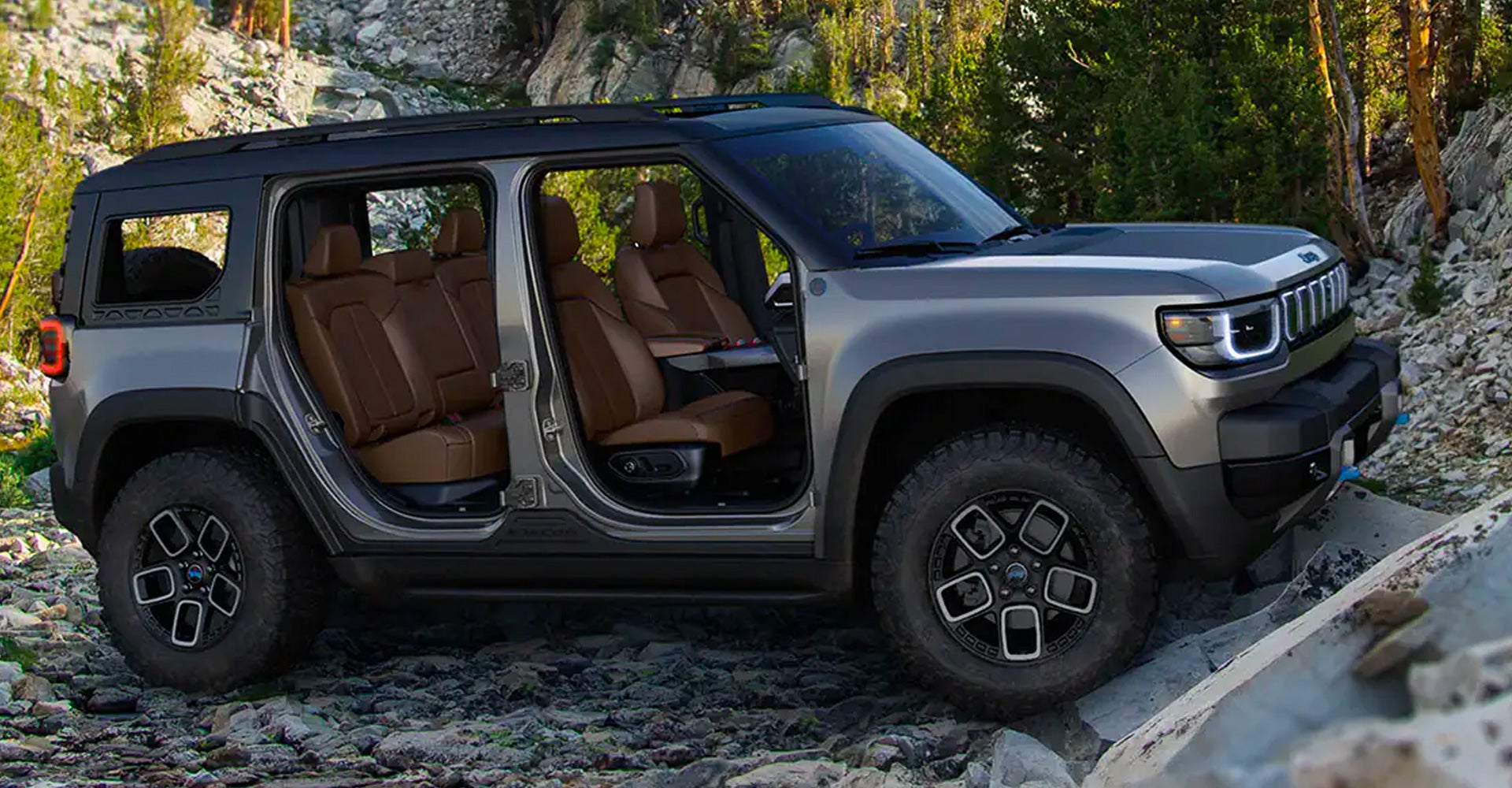
Jeep Recon

This Jeep will feature trail-rated capability and similar to the Jeep Wrangler, will have all-terrain systems like Selec-Terrain traction management. The Jeep Recon will also feature removable tops, doors, and glass. Reservations for this fully electric BEV Jeep SUV will open in early 2023, while production will begin in 2024.

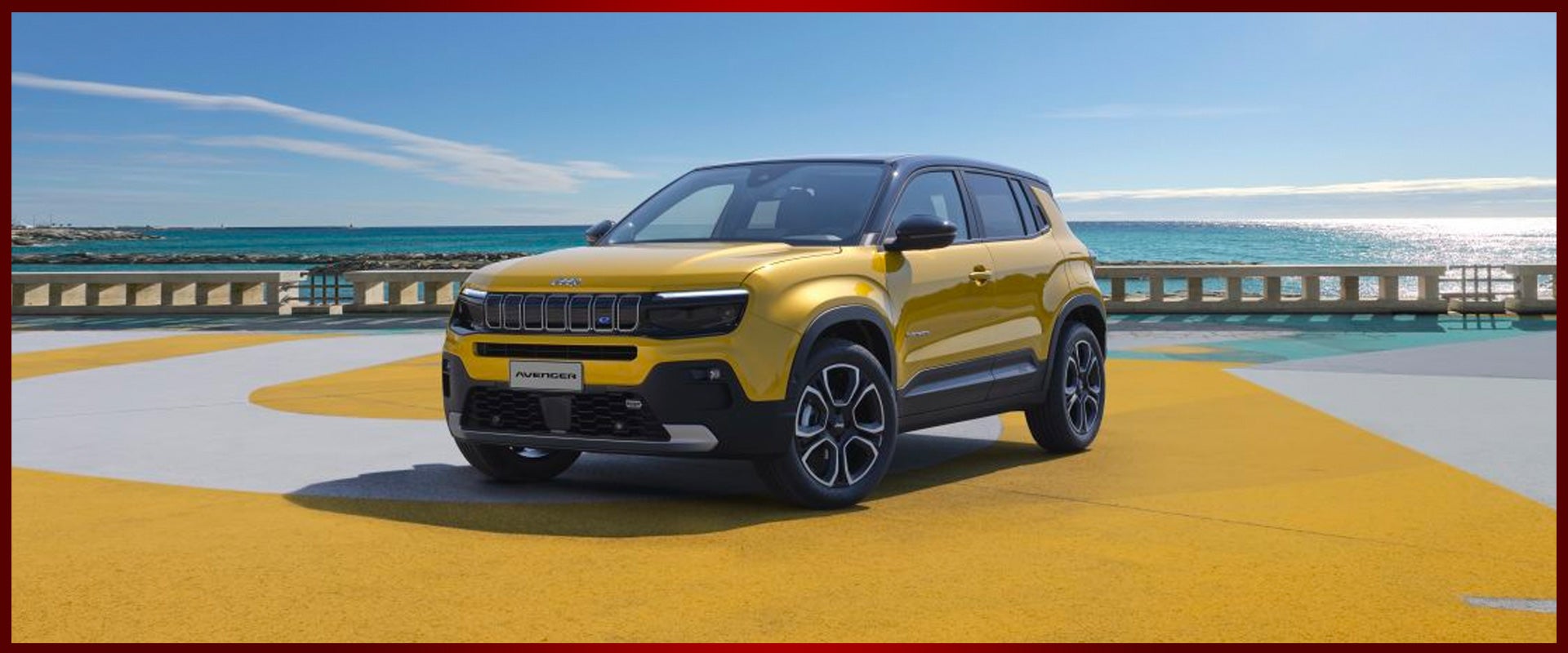
Jeep Avenger

The targeted battery range of the Jeep Avenger is approximately 400 kilometers and the off-road capability will be catered to the European market. Production is already underway and these new fully electric Jeep SUV models are expected to be released in early 2023. Fully Electric Wagoneer S
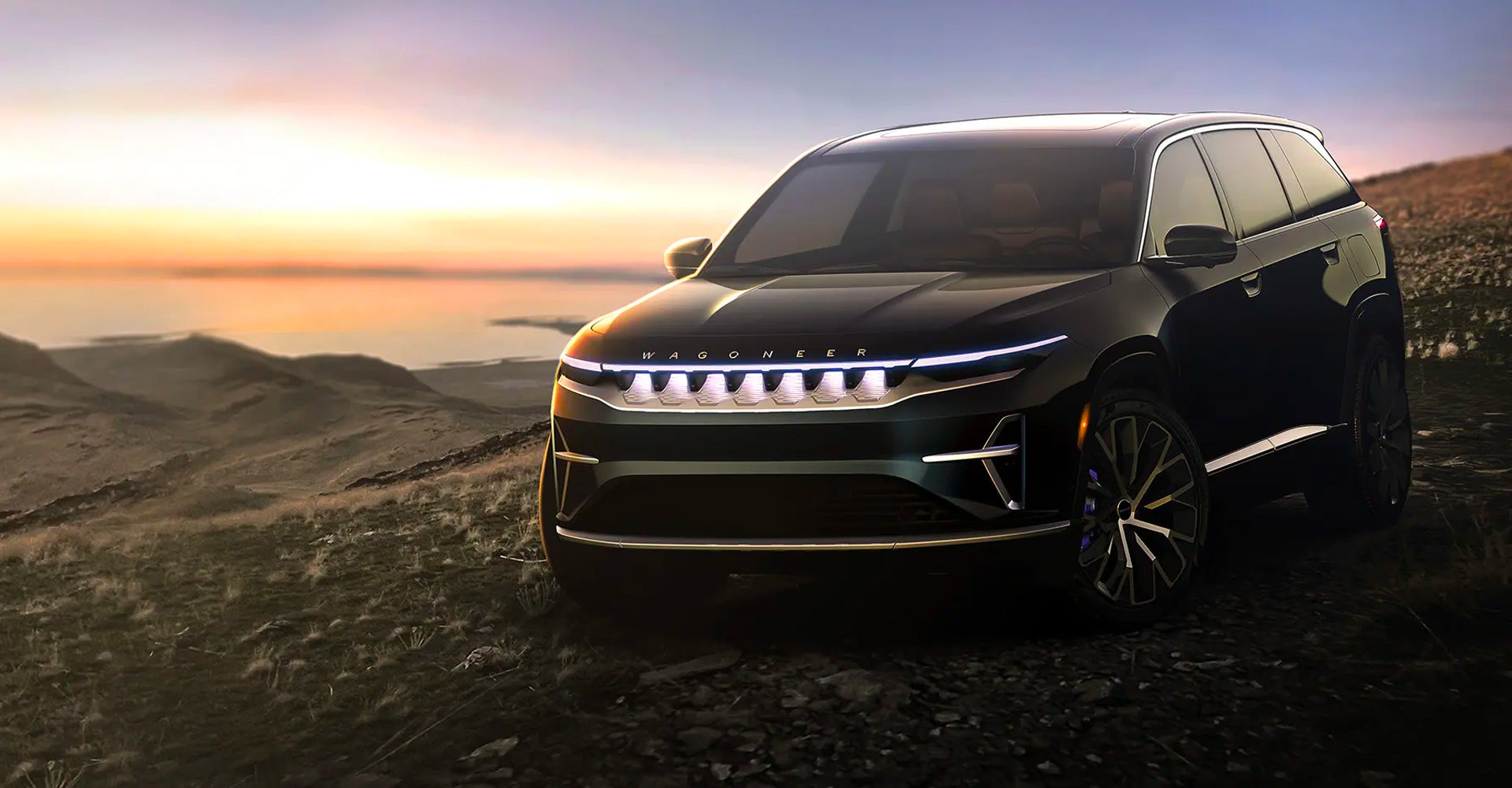
Wagoneer S

The class and luxury we expect from Wagoneer vehicles will certainly impress, as well as the new aerodynamic design and powertrain capabilities that will be seen in the Wagoneer S. Off-road prowess and top-tier motor performance will come standard in the Wagoneer S. The SUV will have a targeted range of 400 miles, 600 horsepower, and the ability to go from 0-60 MPH in a mere 3.5 seconds. Like the Jeep Recon, reservations will open in early 2023, and production will begin in 2024.

Stay Informed

To keep up to date with reservation dates and new information as it is released, contact Preston CDJR of Dover.

CONTACT US

Posted in:

Related Posts

Hybrid Maintenance Cost

Hybrid Maintenance Cost Savings

What’s the True Hybrid Maintenance Cost? Thinking about switching to hybrid cars but worried about whether hybrids are more expensive to maintain? You’re not alone. Many misconceptions swirl around hybrid vehicles, with some myths suggesting they’re expensive and complicated to maintain. Here at Preston Chrysler Dodge Jeep Ram of Dover, we’re here to set the record straight on the cost of hybrid maintenance and show you why hybrids might be a surprisingly cost-effective choice. Keep reading to learn more, and schedule your service appointment today! Debunking Hybrid Maintenance Myths Let’s dispel some common myths about hybrid car maintenance costs: Myth: Hybrids are more expensive to maintain than traditional cars. Fac t: Hybrid maintenance costs are often lower than those of conventional vehicles. While some may believe in the myth of hybrid car’s high maintenance, the reality is that hybrids put less strain on the engine, leading to reduced general engine repair and maintenance costs. Myth: Hybrid batteries have a short lifespan and are expensive to replace. Fact: Hybrid vehicles are built to last, with most manufacturers offering a 100,000-mile warranty or a 10-year battery warranty. Additionally, the hybrid system reduces wear and tear on the engine, potentially saving you money on engine repairs down the road. Hybrids offer the best of both worlds: excellent fuel economy and the familiar durability of gasoline-powered cars. Take a moment to browse through our available hybrid models to find your perfect fit! Hybrid Vehicle Maintenance 101 Sure, hybrids have an electric motor and battery pack, but don’t let that intimidate you. Hybrids still require regular maintenance, just like any other car. Following a maintenance schedule is crucial to ensure the longevity and performance of your hybrid vehicle. Here’s the breakdown: Routine maintenance: You’ll still need oil changes, tire rotations, and fluid checks at regular intervals. The good news about hybrid maintenance costs? The electric motor doesn’t require oil changes, potentially saving you money on maintenance visits. Engine care: The gasoline engine in a hybrid functions similarly to the engine in a traditional car and requires the same level of care. Brakes: Hybrids excel in city driving thanks to regenerative braking, which captures energy during braking and reduces wear on traditional brakes. This translates to potentially longer brake pad life and fewer brake repairs. Hybrid vs. Traditional Vehicle Maintenance Costs One of the biggest advantages of hybrids is their exceptional fuel economy, especially in stop-and-go traffic conditions. The electric motor takes over, minimizing gas usage and saving you money at the pump. While hybrid upfront costs might be slightly higher than a comparable gas-powered car, the fuel savings quickly add up. When considering maintenance costs, hybrids stack up favorably. Routine maintenance costs are comparable to traditional cars and, in some cases, can be lower thanks to reduced wear and tear on the combustion engine and brakes. Additionally, some insurance companies offer lower rates for hybrids due to their safety features and eco-friendly nature. Reduced fuel consumption: Less reliance on gasoline translates to significant savings at the pump. Less engine wear and tear: Hybrids take some of the workload off the engine, potentially extending its lifespan and reducing the need for repairs. Longer brake pad lifespan: Regenerative braking minimizes wear and tear on traditional brakes. Hybrid Batteries Repair Cost While hybrid repairs can sometimes be more expensive due to the specialized components, particularly the battery system, these situations are rare. Most hybrid batteries are covered under warranty for a significant period, and the gasoline engine requires maintenance similar to traditional cars. Additionally, the reduced wear and tear on the engine can potentially offset any potential hybrid repair costs on the system in the long run. Why Hybrid Maintenance Costs Aren't a Dealbreaker We’re passionate about helping you find the perfect car for your needs and keeping you informed about the hybrid maintenance cost. Hybrids offer a compelling combination of fuel efficiency, environmental friendliness, and surprisingly low maintenance costs. While there are some unique considerations, the overall cost of ownership for a hybrid can be quite rewarding in the long run. Hybrid owners often find that the benefits, such as tax credits, insurance discounts, and improved fuel economy, outweigh the potential concerns about premium prices and maintenance. Schedule Your Next Service We offer a wide selection of hybrids from Chrysler, Dodge, Jeep, and Ram, ensuring there's a car that perfectly fits your budget and driving style. Do you crave a spacious and fuel-efficient SUV like the Chrysler Pacifica Plug-In Hybrid for your family adventures? Perhaps you're looking for a sporty and eco-conscious Jeep Wrangler 4xe for your daily commute. No matter your needs, our friendly team will take the time to understand your preferences and recommend the ideal hybrid for you. Already have a hybrid vehicle? Schedule your next service at Preston CDJR of Dover today! SCHEDULE SERVICE

Hybrid vs Electric Cars

Hybrid vs. EV: Which Is Better For You?

Hybrid vs. Electric Cars: Choose the Perfect Ride for a Greener Future At Preston Chrysler Dodge Jeep Ram of Dover, we're committed to assisting our customers in finding the perfect car for their needs. As the world embraces a more sustainable future, EVs and hybrid vehicles are becoming increasingly popular choices and for good reason. But with so many options available, deciding which one is right for you can be a challenge. Our blog dives into the key differences between hybrid vs. electric cars, empowering you to make a well-informed decision that aligns with your lifestyle and environmental values. Keep cruising along to learn the difference between an EV & hybrid, and explore our inventory to shop our available EVs and hybrids! Understanding the Technology Under the Hood You may be questioning: what is the difference between hybrid and electric cars? The core difference between hybrids and electric vehicles (EVs) lies in their power source. Traditional gasoline-powered cars rely solely on an internal combustion engine. EVs, on the other hand, ditch the gas tank altogether, using an electric motor powered by a high-voltage battery. This translates to zero tailpipe emissions, a significant benefit for our environment. Hybrid cars, however, take a middle ground. They combine an electric motor with a classic gas engine, seamlessly interchanging between the two depending on driving conditions. Hybrids can switch between electric power and gas, offering a balance of efficiency and speed. What are Hybrid Cars? Hybrid vehicles like the Jeep Wrangler 4xe and the Chrysler Pacifica PHEV offer a compelling blend of fuel efficiency and practicality. Their internal combustion engine ensures you can tackle long road trips without range anxiety. When driving around town or during stop-and-go traffic, the electric motor kicks in, maximizing fuel economy and minimizing emissions. Regenerative braking in hybrid and plug-in hybrid vehicles allows the car to recapture energy from braking and use it to recharge the battery. Hybrids may require slightly more maintenance due to their dual powertrain, but they often have a lower upfront cost compared to EVs. What are Electric Vehicles? Electric vehicles like the Ram REV represent the cutting edge of sustainable transportation. Owning an electric car comes with benefits such as zero tailpipe emissions, a smooth, quiet ride, and lower operating costs due to cheaper electricity compared to gasoline. However, there are drawbacks, including limited driving range and evolving charging infrastructure. Fully electric vehicles often have higher upfront costs compared to hybrids, but they may qualify for more substantial federal tax incentives. They provide a smooth, quiet ride and lower operating costs thanks to significantly cheaper electricity compared to gasoline. However, their driving range is typically limited to 200-300 miles on a single charge, requiring more planning for long journeys. Additionally, charging infrastructure is still evolving, so access to charging stations may be a factor to consider. Going Green: It's About the Journey, Not Just the Destination When comparing hybrid vs. electric cars, both hybrid and electric vehicles offer significant environmental benefits compared to traditional gasoline-powered cars. Hybrids provide a smooth transition to a more sustainable lifestyle, reducing emissions while maintaining the familiarity of a gas engine. Electric vehicles, on the other hand, make a bold statement towards a zero-emission future, offering substantial environmental benefits by completely eliminating tailpipe emissions. Hybrid electric vehicles are generally more efficient than traditional cars but may not match the efficiency and driving experience of fully electric vehicles, which offer instant torque and a quieter ride. Costs & Practicality: Are Hybrid Cars More Expensive Than Electric Cars? Electric vehicles often boast lower operating costs due to electricity being cheaper than gasoline. However, when comparing costs and features, plug-in hybrids offer a happy medium between traditional hybrids and electric vehicles, providing benefits like tax incentives and reduced range anxiety. However, their upfront purchase price can be higher than hybrids. Hybrids strike a balance, offering improved fuel efficiency without the initial price tag of a full EV. Additionally, the performance differences between electric and gas vehicles are notable, with electric vehicles providing instant torque, quietness, and a smoother driving experience compared to gas vehicles. The Bottom Line: Making a Decision & Choosing Your Perfect Ride Ultimately, the choice between hybrid cars vs. electric cars boils down to your individual needs. A hybrid car gets its power from both an electric motor and an internal combustion engine, offering the benefit of not needing to be plugged in for charging as it receives energy from the internal combustion engine and regenerative braking. Consider your driving habits: do you frequently take long road trips, or are your commutes primarily around town? Evaluate your budget: are you comfortable with a potentially higher upfront cost for an EV, or do you prioritize a more affordable option? Don’t forget to factor in your environmental conscience: are you looking to significantly reduce your carbon footprint, or is a gradual shift toward sustainability your goal? Test Drive Your Future Still conflicted on hybrid vs. electric cars? Here at Preston CDJR of Dover, we have a wide selection of both hybrid and electric vehicles from the trusted Chrysler, Dodge, Jeep, and Ram brands. Visit our dealership today to take a test drive and fully grasp which one you prefer. Our knowledgeable staff is here to answer your questions and help you find the perfect car that aligns with your lifestyle and environmental goals. Together, let's pave the way for a greener future, one eco-friendly ride at a time! SHOP NOW

Maintenance On The Jeep Wrangler 4xe

Maintenance On The Jeep Wrangler 4xe: What You Should Know

Conquering the Trails and Your Wallet: Jeep Wrangler 4xe Maintenance Explained The Jeep Wrangler 4xe offers the best of both worlds: legendary off-road capability with the efficiency of a plug-in hybrid. But what about keeping this innovative machine running smoothly?  Many drivers wonder if the added complexity of a hybrid system translates to higher cost of maintenance on the Jeep Wrangler 4xe. Here at Preston Chrysler Dodge Jeep Ram of Dover, we're here to dispel the myths and provide you with a clear picture of Jeep Wrangler 4xe maintenance. Come along for the ride as we delve further and schedule your next service appointment at your earliest convenience! The Truth About Maintenance on the Jeep Wrangler 4xe The truth is, maintenance on a Jeep Wrangler 4xe is often simpler and potentially more affordable than you might think. While it does have a hybrid powertrain, the Jeep Wrangler 4xe shares many components with its gasoline-powered sibling, the Jeep Wrangler. This translates to readily available parts and familiar service procedures for our factory-certified technicians.  Let's dive deeper into the specifics of maintenance costs and schedules for the Jeep Wrangler 4xe. Are Jeeps Expensive to Maintain? The reputation of Jeeps being overly expensive to maintain is a misconception. Regularly scheduled maintenance is crucial for any vehicle, and the maintenance on the Jeep Wrangler 4xe is no exception. However, by following the manufacturer's recommended service intervals, you can avoid expensive repairs down the road. While industry averages suggest that maintenance and repair costs for Jeep models may trend slightly higher over a 10-year period, Jeep ownership offers a unique blend of capability and adventure. Our certified technicians are experts in servicing all Jeep models, and we are committed to providing competitive service rates to keep your Jeep running smoothly for miles to come. What is the Jeep Wave® Customer Care Program? Thanks to the complimentary loyalty program specifically for Jeep owners, maintenance on the Jeep Wrangler 4xe can be worry-free. The Jeep Wave® Customer Care Program offers a variety of benefits and perks designed to give you peace of mind and show appreciation for your Jeep ownership. Here are some of the key features: Dedicated 24/7 Owner Support: Call 844-JEEP-WAVE to get help with any questions you have about your Jeep, schedule maintenance on your Jeep Wrangler 4xe, or get assistance with anything else you need around the clock. Worry-Free Maintenance: Jeep Wave® includes some complimentary scheduled maintenance services for your Jeep Wrangler 4xe, simply check with our team for details on what's covered. This can help you save money on normal maintenance costs. Trip Interruption Protection (with qualifying Mopar Vehicle Protection plan): Jeep’s complimentary same-day vehicle rental program has you covered. If your Jeep ever breaks down more than 100 miles from home and is covered under warranty, trip interruption coverage reimburses you for expenses like towing – up to $1,000 per incident. And for unexpected roadside emergencies, 24/7 roadside assistance ensures you get back on the road quickly and safely, any time of day. Jeep Wrangler 4xe Maintenance Cost The Jeep Wrangler 4xe's maintenance schedule is very similar to a traditional gasoline Jeep Wrangler. The recommended service interval for oil changes is typically around 7,500 miles,  depending on driving conditions. Other routine maintenance items like tire rotations and fluid level checks fall in line with standard Jeep maintenance practices. When it comes to parts, the Jeep Wrangler 4xe benefits from sharing many components with its gasoline counterpart. This translates to readily available parts at competitive prices. Additionally, the electric motor requires minimal scheduled maintenance, further reducing potential service costs. Are Jeep Wrangler 4xe Parts Expensive? As mentioned earlier, the Jeep Wrangler 4xe shares a significant portion of its platform and parts with the gasoline Jeep Wrangler. This means parts for routine maintenance are readily available and competitively priced. Of course, there are some unique components specific to the hybrid system. However, these components are designed for extended life and typically won't require replacement during the Jeep Wrangler 4xe's warranty period. The Importance of Keeping Up Your Maintenance Regardless of the vehicle, regular maintenance is essential for maximizing performance, fuel efficiency, and overall lifespan. Following the manufacturer's recommended service schedule helps to identify and address minor issues before they become major problems. This proactive approach not only saves you money in the long run but also ensures your Jeep Wrangler 4xe is always ready for your next adventure, whether it's conquering off-road trails or cruising on electric power. Benefits of Servicing with Us At our dealership, we understand that your time is valuable. That's why we offer a comfortable and convenient service experience. Our factory-trained technicians are experts in servicing all Jeep models, including maintenance on the Jeep Wrangler 4xe. We also offer the added convenience of mobile service! For qualifying services, our technicians can come to your home or office to perform your Jeep Wrangler 4xe's scheduled maintenance with zero added hassle for you. Your Jeep Journey Continues Maintenance on the Jeep Wrangler 4xe doesn't have to mean sacrificing affordability. With a straightforward maintenance schedule and readily available parts, keeping your Jeep Wrangler 4xe running smoothly won't break the bank. At Preston CDJR of Dover, we're here to help you get the most out of your Jeep Wrangler 4xe ownership experience. Schedule your next service appointment today and let our expert technicians ensure your Jeep is always ready for the road ahead, on or off-pavement! SCHEDULE SERVICE